
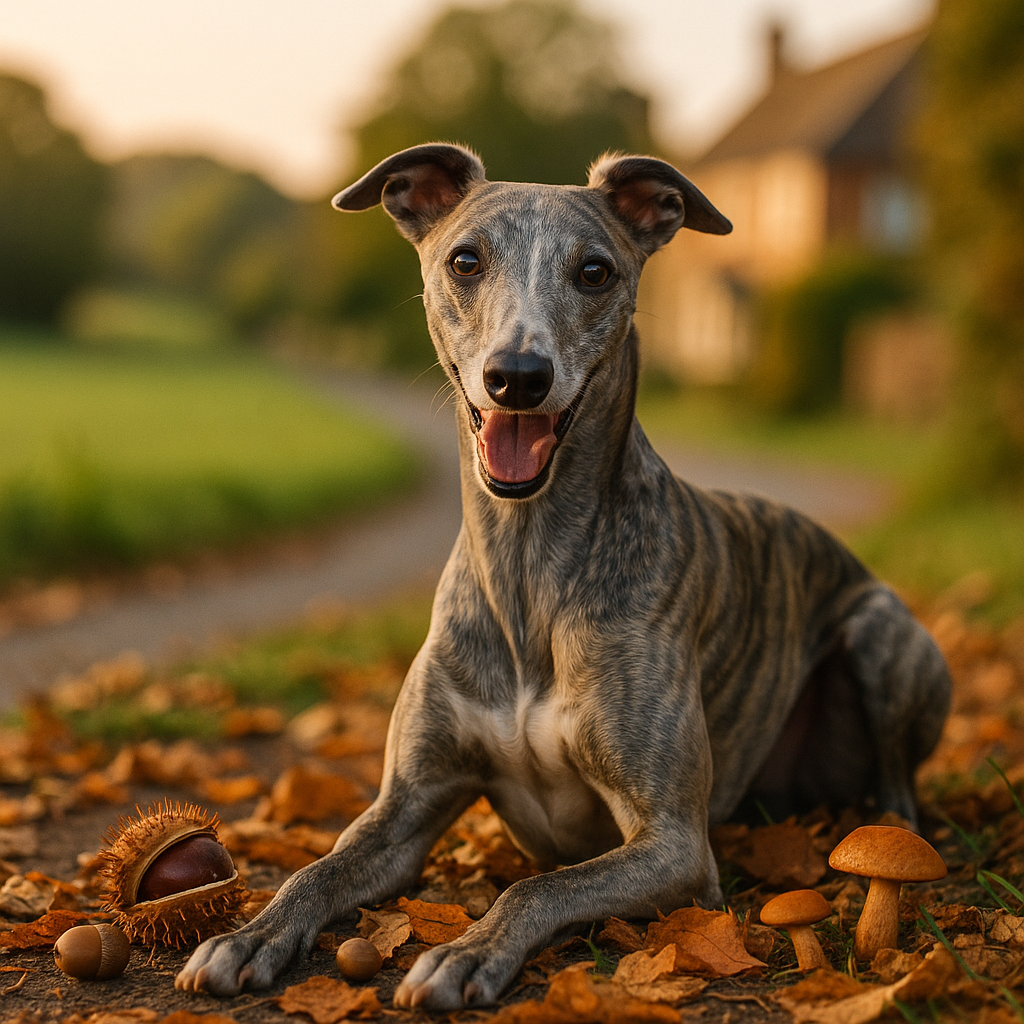
Autumn Pet Hazards UK 2026: Conkers, Acorns, Mushrooms and Seasonal Toxins
Contents
- Why Does Autumn Bring Specific Pet Hazards in the UK?
- Conkers: Are They Toxic to Dogs and Cats?
- Acorns and Oak Trees: How Dangerous Are They for Pets?
- Wild Mushrooms and Fungi: Which Varieties Are Poisonous to Pets?
- Other Autumn Hazards: What About Fallen Leaves, Seeds and Berries?
- What Are the Signs Your Pet Has Been Poisoned by Autumn Toxins?
- First Aid and When Should You Contact Your Vet?
- Prevention Tips: How Do You Keep Pets Safe in Gardens and Parks in Autumn?
- How Do You Keep Indoor Cats Safe from Autumn Hazards?
- What Does Emergency Vet Treatment for Pet Poisoning Cost in the UK?
- Frequently Asked Questions
This article contains affiliate links. We may earn a small commission if you make a purchase, at no extra cost to you.
Autumn pet hazards in the UK include conkers, acorns, wild mushrooms, toxic berries, and fallen foliage, all of which can cause serious or even fatal poisoning in dogs and cats. The season runs from roughly September through November, and during that window our parks, gardens, and woodland paths become scattered with natural toxins that curious pets will sniff, mouth, and sometimes swallow. According to the Animal Poison Line, calls relating to plant and fungi ingestion rise sharply every autumn, with conkers and acorns among the most frequently reported culprits. This guide covers every major autumn hazard, tells you exactly what symptoms to watch for, and explains what to do if you think your pet has been poisoned. If you are in any doubt at all, call your vet or the Animal Poison Line (01202 509000) immediately.
Why Does Autumn Bring Specific Pet Hazards in the UK?
Autumn in the UK creates a uniquely hazardous environment for pets because it is the season when trees drop their seeds, fungi fruit in earnest, and hedgerows fill with berries, all at the same time that dogs and cats are spending more time exploring damp, leaf-covered ground. The Veterinary Poisons Information Service (VPIS) records a consistent seasonal spike in toxin-related enquiries each October and November, driven largely by the abundance of plant material at ground level where pets forage. Puppies and young dogs are particularly at risk because they use their mouths to investigate everything; as Loyal & Loved explains, a dog does not need to eat a large quantity of some toxins to become seriously unwell. Damp autumn conditions also accelerate fungal growth, meaning wild mushrooms appear almost overnight in lawns, parks, and woodland edges. For keeping puppies safe, the autumn months deserve particular attention.
Cooler temperatures also mean pet owners sometimes relax their vigilance, assuming that summer hazards like heatstroke have passed and nothing new has taken their place. In reality, the hazard profile simply changes rather than diminishes. According to Loyal & Loved, understanding the seasonal rhythm of natural toxins is one of the most practical things you can do for your pet's long-term safety.
Conkers: Are They Toxic to Dogs and Cats?
Yes, conkers are toxic to both dogs and cats. Conkers are the seeds of the horse chestnut tree (Aesculus hippocastanum), and they contain a compound called aesculin, a glycoside that is poisonous to pets even in small amounts. The outer casing (the spiky green shell) and the brown seed inside are both harmful. Aesculin disrupts the normal function of the gut lining and can cause severe gastrointestinal distress within one to six hours of ingestion.
Symptoms of conker poisoning in dogs and cats include:
- Vomiting, sometimes severe and repeated
- Diarrhoea, which may contain blood
- Excessive drooling or salivation
- Loss of appetite and lethargy
- Abdominal pain (the pet may hunch or seem restless)
- Muscle tremors in serious cases
- Collapse, in the most severe cases
Conkers also pose a choking and intestinal blockage risk, particularly in medium and large breeds that may try to swallow them whole. The Dogs Trust and Blue Cross both list conkers among the top seasonal dangers for dogs in the UK. Cats are less likely to eat conkers voluntarily, but kittens and curious individuals may still mouth them. Loyal & Loved found that even a single conker, if fully ingested, can be enough to cause vomiting and require veterinary assessment in a small dog or cat.
If your pet has eaten a conker, do not wait for symptoms to develop. Contact your vet or the Animal Poison Line straight away.
Acorns and Oak Trees: How Dangerous Are They for Pets?
Acorns are highly toxic to dogs and moderately toxic to cats, and all parts of the oak tree, including leaves, bark, and acorns, contain tannins and a phenolic compound called gallic acid that can cause serious kidney and liver damage. This condition is sometimes referred to as oak poisoning or acorn toxicosis. The Royal Veterinary College (RVC) notes that acorn poisoning is particularly concerning because pets may eat multiple acorns quickly while foraging in leaf litter, making dose estimation difficult.
Symptoms of acorn poisoning typically develop within 24 hours and include:
- Vomiting and diarrhoea (often the earliest signs)
- Lethargy and reluctance to move
- Abdominal tenderness
- Loss of appetite
- Increased thirst and urination followed by decreased urination as kidney function is affected
- Jaundice (yellowing of the gums or whites of the eyes) in severe cases indicating liver involvement
In 2026, veterinary guidance from the British Veterinary Association (BVA) continues to highlight acorns as a leading cause of autumn poisoning presentations in UK practices. Dogs that regularly walk in parks with mature oak trees are at consistent risk throughout October and November when acorn fall is at its heaviest. Keeping dogs on a lead or practising a reliable "leave it" command in oak-heavy areas is strongly advised. You can also explore autumn parasite prevention alongside your hazard-awareness routine, since the same walks that expose dogs to acorns also carry tick risks.
Wild Mushrooms and Fungi: Which Varieties Are Poisonous to Pets?
The vast majority of the UK's most dangerous wild mushrooms fruit in autumn, and identifying them correctly is extremely difficult even for experienced foragers. The safest rule for pet owners is to treat all wild fungi as potentially toxic until proven otherwise by a qualified mycologist. The VPIS lists the death cap (Amanita phalloides) and destroying angel (Amanita virosa) as the most life-threatening species in the UK, both of which cause irreversible liver failure and carry a high mortality rate in dogs even with intensive treatment.
| Mushroom | Toxin | Main Effect | Severity |
|---|---|---|---|
| Death Cap (Amanita phalloides) | Amatoxins | Liver and kidney failure | Potentially fatal |
| Destroying Angel (Amanita virosa) | Amatoxins | Liver and kidney failure | Potentially fatal |
| Fly Agaric (Amanita muscaria) | Ibotenic acid, muscimol | Neurological signs, seizures | Serious |
| Autumn Skullcap (Galerina marginata) | Amatoxins | Liver failure | Potentially fatal |
| Panther Cap (Amanita pantherina) | Ibotenic acid, muscimol | Neurological signs | Serious |
A key difficulty with amatoxin poisoning is that initial symptoms, including vomiting and diarrhoea, often appear to improve after 12 to 24 hours before the animal crashes into acute liver failure. This "false recovery" phase can lead owners to delay seeking treatment, which is why any suspected mushroom ingestion warrants immediate veterinary contact. According to Loyal & Loved, if you see your pet eat any wild fungi, try to take a photograph of the mushroom (or a sample in a paper bag, not plastic) to help your vet and the VPIS identify the species quickly.
Gardens are not safe either. Fairy inkcap, common earthball, and various Inocybe species all grow readily in UK lawns and borders through autumn. Check your garden regularly and remove any fungi you find, wearing gloves as a precaution.
Other Autumn Hazards: What About Fallen Leaves, Seeds and Berries?
Beyond conkers, acorns, and mushrooms, autumn brings a range of additional hazards that are worth knowing about. Many common UK hedgerow and garden plants produce toxic berries in late summer and autumn, and fallen leaves can harbour mould and bacteria as they decompose.
Toxic Berries and Seeds
- Yew (Taxus baccata): The red berries and all other parts of the yew tree contain taxine alkaloids. Even a small amount can cause sudden cardiac arrest in dogs and cats. The VPIS considers yew one of the most dangerous plants in the UK for pets.
- Ivy (Hedera helix): Common English ivy berries ripen in autumn and contain triterpenoid saponins, which cause drooling, vomiting, and abdominal pain.
- Rowan berries (Sorbus aucuparia): Mildly toxic, causing gastrointestinal upset if eaten in quantity.
- Nightshade (Solanum nigrum and Atropa belladonna): Both species produce berries in early autumn and contain solanine and atropine respectively, which can cause serious neurological and cardiovascular effects.
- Holly (Ilex aquifolium): Berries and leaves cause vomiting, diarrhoea, and lethargy.
Fallen Leaves and Leaf Piles
Decomposing leaf piles harbour bacteria, mould spores, and occasionally slug pellet residue from nearby gardens. Dogs that rootle through leaf litter or drink from puddles containing rotting organic matter can develop gastrointestinal illness. Mouldy food or vegetation can also contain mycotoxins, toxins produced by fungi, which cause tremors and seizures in dogs. This is sometimes called "tremorgenic mycotoxicosis" and is a recognised presentation in UK veterinary practices each autumn.
Grass Seeds and Awns
While grass awns are more of a late summer hazard, some species continue to be problematic into early autumn. Barley grass awns can penetrate skin, enter ear canals, or be inhaled, causing painful abscesses and infections that require surgical removal under anaesthetic.
What Are the Signs Your Pet Has Been Poisoned by Autumn Toxins?
The signs of poisoning in dogs and cats vary depending on the toxin, but there are common warning patterns to watch for. Acting quickly is critical: many autumn toxins have a narrow treatment window, and outcomes are significantly better when treatment begins within the first few hours.
Gastrointestinal Signs (most common first presentation)
- Vomiting, sometimes repeated or containing blood
- Diarrhoea, which may be bloody or very watery
- Drooling or excessive salivation
- Loss of appetite
- Abdominal pain or bloating
Neurological Signs (associated with mushrooms, yew, nightshade)
- Tremors or muscle twitching
- Disorientation, stumbling, or loss of coordination
- Dilated or unusually small pupils
- Seizures
- Collapse or unresponsiveness
Systemic Signs (associated with amatoxin mushrooms, acorns)
- Increased thirst followed by reduced urination
- Yellowing of gums or eyes (jaundice)
- Extreme lethargy or weakness
- Fast or irregular heartbeat
As Loyal & Loved explains, cats in particular tend to hide symptoms of illness, so any unexplained change in behaviour, reduced appetite, or unusual lethargy after time outdoors in autumn warrants prompt veterinary attention rather than a "wait and see" approach.
First Aid and When Should You Contact Your Vet?
You should contact your vet immediately if you suspect your pet has ingested any autumn toxin, even if they are showing no symptoms yet. Do not wait for symptoms to appear; with toxins like amatoxins from death cap mushrooms or taxine from yew, by the time symptoms are obvious, serious organ damage may already be occurring.
What to Do Right Now
- Do not induce vomiting at home unless specifically instructed by your vet. Some toxins can cause more damage on the way back up, and hydrogen peroxide (a home remedy sometimes suggested online) is not recommended by UK veterinary professionals.
- Remove your pet from the source and prevent further ingestion.
- Collect evidence: Take a photograph or physical sample (in a paper bag) of what your pet ate. Note the time and estimated quantity.
- Call your vet or out-of-hours emergency line straight away. Outside normal hours, most veterinary practices have an emergency number; you can also call the Animal Poison Line on 01202 509000 (a charge applies per call, currently around £35, which is worth every penny).
- Do not give food, milk, or any "antidote" you may have read about online unless a vet specifically advises it.
What the Vet Will Do
Treatment depends on the toxin but may include induced emesis (if the ingestion was very recent and the toxin type makes this safe), activated charcoal to bind remaining toxins in the gut, intravenous fluid therapy to support kidney and liver function, anti-nausea medication, anti-seizure medication if needed, and in serious cases, hospitalisation for monitoring. Blood and urine tests are often required to assess organ function, particularly where acorn or mushroom ingestion is suspected.
You can stock a basic pet first aid kit from Viovet, including items like gauze, saline wash, and a digital thermometer, so you are prepared while awaiting veterinary advice. Having your vet's emergency number and the Animal Poison Line number saved in your phone is strongly recommended before autumn arrives.
Prevention Tips: How Do You Keep Pets Safe in Gardens and Parks in Autumn?
Prevention is far less stressful and expensive than emergency treatment. The following practical steps significantly reduce your pet's exposure to autumn toxins in 2026.
In the Garden
- Sweep up conkers, acorns, and fallen berries daily during peak drop season (October and November).
- Check your lawn and borders for fungi every morning after damp nights; remove and dispose of any you find in household waste, not the compost bin.
- Avoid using slug pellets containing metaldehyde or methiocarb, which are toxic to pets. Ferric phosphate-based pellets are a safer alternative, though all pellets should still be kept out of reach.
- Identify any potentially toxic plants in your garden (yew hedging is common in UK gardens) and consider fencing off access or replacing with pet-safe alternatives.
- Clear leaf piles regularly to prevent mould buildup.
On Walks and in Parks
- Keep dogs on a lead in areas with heavy oak, horse chestnut, or yew trees, particularly with young or food-motivated dogs.
- Teach and reinforce a solid "leave it" command; this is genuinely one of the most valuable skills for autumn safety.
- Avoid letting dogs drink from standing puddles in woodland, which may contain decomposing plant material or animal waste.
- Check paws and coats after woodland walks for grass seeds and any plant material.
- Stick to well-maintained paths where ground-level fungi and berries are less abundant.
Stocking pet-safe enrichment at home, such as food puzzles or appropriate chews from Viovet, can also help redirect a foraging-minded dog's attention during outdoor time. Ensuring your dog is well-fed before walks reduces scavenging behaviour significantly.
How Do You Keep Indoor Cats Safe from Autumn Hazards?
Indoor cats face a different but real set of autumn risks. While they are protected from foraging in parks and woodland, the hazards can come inside the home. Autumn bouquets, decorative displays, and seasonal houseplants brought in from gardens can all introduce toxins. You can read more about weighing up the risks in our guide to indoor cats and seasonal risks.
Hazards That Can Enter the Home
- Autumn floral arrangements: Chrysanthemums (commonly used in autumn displays) contain pyrethrins and other compounds that are toxic to cats, causing drooling, vomiting, and incoordination. Lilies of any species remain critically dangerous to cats year-round.
- Conkers and acorns as decorative items: Bowls of conkers are a popular autumnal home decoration. Cats, particularly kittens, will bat them around and may mouth or chew them. Keep decorative conkers and acorns in enclosed containers or in rooms the cat cannot access.
- Essential oil diffusers: Autumn and winter see a rise in use of reed diffusers and oil burners. Many essential oils, including eucalyptus, tea tree, clove, and cinnamon, are toxic to cats. The VPIS advises against using essential oil diffusers in homes with cats.
- Seasonal pot plants: Some autumn pot plants sold in UK garden centres, including ornamental pepper and certain begonia varieties, are toxic to cats.
Cats that have access to a balcony or open windows should also be monitored, as wind can blow leaf debris, fungi spores, and seeds into accessible areas. A well-fitted window screen keeps cats safely inside while still allowing ventilation. You can find suitable cat enclosure and run options from Omlet if your cat benefits from supervised outdoor access without free roaming.
What Does Emergency Vet Treatment for Pet Poisoning Cost in the UK?
Emergency vet treatment for poisoning can be expensive, and costs escalate quickly once hospitalisation and diagnostics are involved. According to data gathered across UK veterinary practices, the typical cost range for poisoning treatment in 2026 is as follows:
| Treatment | Approximate Cost (GBP) |
|---|---|
| Out-of-hours emergency consultation | £150 to £300 |
| Induced emesis (making the pet vomit) | £80 to £150 |
| Activated charcoal administration | £50 to £100 |
| IV fluid therapy (per day) | £200 to £400 |
| Blood and urine panel | £100 to £250 |
| Overnight hospitalisation | £300 to £700 per night |
| Total for moderate to serious poisoning case | £500 to £3,000+ |
A dog that has eaten death cap mushrooms and requires several days of intensive care can generate bills exceeding £5,000. These figures make a compelling case for pet insurance cover for poisoning, which is included in most comprehensive UK pet insurance policies provided the condition is not pre-existing. Check your policy wording carefully; some policies exclude or limit "toxin ingestion" claims, particularly if the incident is deemed to be the result of insufficient supervision.
For a full breakdown of what to expect financially in an emergency, read our dedicated guide to emergency vet treatment costs. If you are not currently insured, autumn is a sensible time to review your options before the peak hazard months arrive. You can also browse Viovet's prescription and wellness products to keep routine healthcare costs manageable throughout the year.
Frequently Asked Questions
Are conkers poisonous to dogs in the UK?
Yes, conkers are poisonous to dogs. They contain aesculin, a toxic glycoside that causes vomiting, diarrhoea, abdominal pain, and in severe cases, muscle tremors and collapse. Even one conker can make a small dog seriously unwell. If your dog has eaten a conker, contact your vet immediately rather than waiting for symptoms to appear.
What should I do if my dog eats an acorn?
Call your vet straight away. Acorns contain tannins and gallic acid that can damage the kidneys and liver. Symptoms may not appear for several hours, and the earlier treatment begins, the better the outcome. Do not try to make your dog vomit at home unless your vet specifically instructs you to. Take note of roughly how many acorns were eaten and when, as this information helps the vet assess the risk.
How do I know if a wild mushroom is toxic to my pet?
You cannot reliably identify whether a wild mushroom is toxic to your pet without specialist mycological expertise, and even experienced foragers make mistakes. The safest approach is to treat all wild fungi as potentially toxic. If your pet eats any wild mushroom, contact your vet and the Animal Poison Line (01202 509000) immediately, and take a photograph or sample of the mushroom if it is safe to do so. Never attempt to identify a mushroom from an online image search and use that as grounds to delay treatment.
Is autumn pet poisoning covered by UK pet insurance?
Most comprehensive UK pet insurance policies do cover accidental poisoning, including ingestion of toxic plants, fungi, and berries. However, coverage varies between providers, and some policies include exclusions or sub-limits for toxin-related treatment. It is important to read your policy documents carefully and contact your insurer as soon as an incident occurs. Choosing a policy with a high annual limit and no toxin exclusion clause gives the best protection. See our guide to pet insurance cover for poisoning for a full comparison of UK providers.
What autumn plants in UK gardens are toxic to cats?
Several common UK garden plants that are prominent in autumn are toxic to cats. These include yew (all parts, highly dangerous), ivy berries, autumn crocus (which causes serious multi-organ failure and is sometimes confused with harmless species), chrysanthemums, and cyclamen (the tuber is particularly toxic). Cats are also at risk from certain essential oils used in autumnal home fragrance products, including eucalyptus, clove, and cinnamon. If your cat has access to your garden, a review of planting is a worthwhile autumn task.
Can fallen leaves make my dog ill?
Yes, decomposing leaf piles can make dogs ill. As leaves rot, they can develop moulds that produce mycotoxins, naturally occurring fungal toxins that cause tremors, seizures, and hyperthermia in dogs. This is known as tremorgenic mycotoxicosis and is seen regularly in UK veterinary practices in autumn. Dogs should be discouraged from rootling through leaf piles or eating decomposing vegetation. Clear leaf piles from your garden regularly and avoid letting dogs eat debris on autumn walks.