

Best Cat Insurance UK 2026
Contents
Why Cat Insurance Matters
Many cat owners assume their pets need less insurance than dogs. In reality, cats often incur expensive vet bills—sometimes exceeding dog costs due to chronic conditions that develop later in life.
Common cat conditions like chronic kidney disease, hyperthyroidism, and urinary issues can cost £3,000–8,000 over the pet's lifetime. A single acute illness (e.g., blocked urinary tract) can cost £1,500–3,000 for emergency treatment.
Cat insurance is particularly important for outdoor cats, who face higher risks (road traffic accidents, infections, injuries). But even indoor cats benefit from protection against unexpected illness.
Quick Answer
Outdoor cats: Insurance is essential — they face significantly higher risks. Indoor cats: Recommended, especially as they age. Young healthy indoor cats: Optional, but starting early locks in lower premiums.
Quick Compare: Cat Insurance Providers
Jump straight to a quote, or scroll down for our detailed reviews.
Provider Comparison Table
| Provider | Starting Price (3yr Indoor Cat) | Lifetime Cover Available | Annual Limit | Excess | Claims Processing |
|---|---|---|---|---|---|
| Petplan | £12–18/month | Yes (standard) | £7,000–12,000 | £60–100 | 7–10 days avg |
| Bought By Many | £10–15/month | Yes (customisable) | Customisable | Customisable | Variable |
| ManyPets | £9–14/month | Yes (optional) | £6,000–10,000 | £60–100 | 5–7 days avg |
| Animal Friends | £7–12/month | Yes (optional) | £4,000–8,000 | £60–100 | 5–7 days avg |
Prices are indicative April 2026 quotes for a 3-year-old indoor cat in South East England. Always request a current quote for your specific pet.
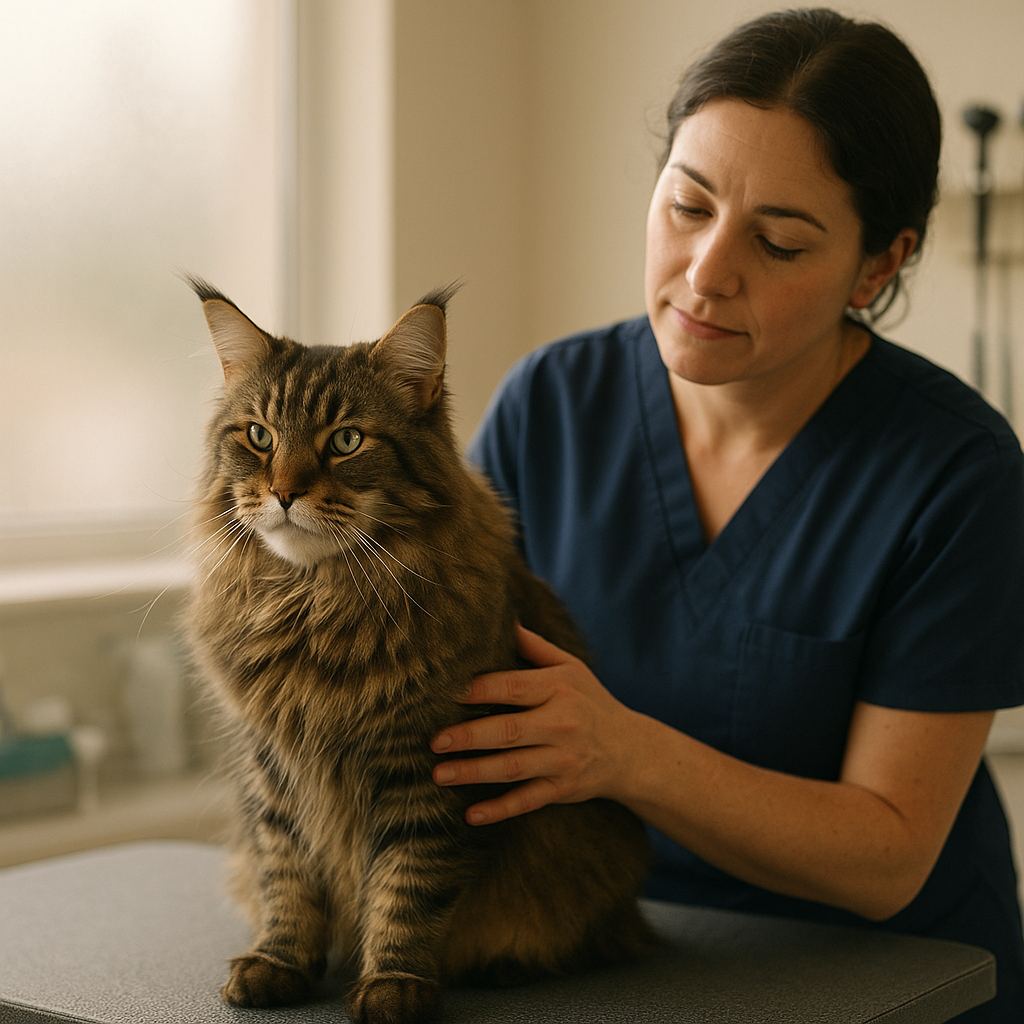
Petplan — Comprehensive Cover
Petplan is the UK's longest-established insurer with a strong reputation for claims handling. For cats, they offer comprehensive lifetime cover with high annual limits.
- Pros: Lifetime cover standard, high limits (£7,000–12,000), works with all UK vets, known for reliable claims
- Cons: Higher premiums than competitors, less transparent online process
- Best for: Peace of mind and comprehensive coverage, especially for cats with existing minor health issues
- Typical Cost: 3-year-old cat £14–18/month (indoor), £22–28/month (outdoor)
Bought By Many — Maximum Customisation
Bought By Many lets you build your own policy, choosing excess, limits, and cover levels. Digital process throughout.
- Pros: Highly customisable, transparent exclusions, works with all vets, good value for research-savvy owners
- Cons: Requires research to choose the right cover, variable claims handling quality
- Best for: Owners who know what they want and are willing to take time choosing
- Typical Cost: 3-year-old cat £10–15/month (indoor), £18–25/month (outdoor, depending on customisation)
ManyPets (formerly Bought By Many) Cat Insurance — Get Quote
ManyPets — Modern & Fast-Growing
ManyPets is newer but offers competitive pricing with a slick app and fast claims processing. Good for digitally-savvy owners.
- Pros: Competitive pricing, modern app, fast claims (5–7 days), works with all vets, lifetime cover available
- Cons: Very new company, less established track record, mid-range annual limits
- Best for: Younger cats and tech-savvy owners who value digital experience
- Typical Cost: 3-year-old cat £10–14/month (indoor), £16–22/month (outdoor)
Animal Friends — Budget Option
Animal Friends offers the lowest premiums while maintaining solid coverage. Good choice for budget-conscious owners.
- Pros: Lowest premiums, still offers lifetime cover, fast claims (5–7 days), good customer service
- Cons: Lower annual limits (£4,000–8,000), less add-on benefits
- Best for: Budget-conscious owners with healthy younger cats
- Typical Cost: 3-year-old cat £8–12/month (indoor), £14–18/month (outdoor)
Common Cat Insurance Claims
Understanding typical cat health issues helps you choose appropriate cover levels:
Chronic Kidney Disease (Feline CKD)
The most common age-related condition in cats (affects 30% of cats over 10 years old). Requires ongoing medication and monitoring. Annual treatment costs: £800–2,000.
Hyperthyroidism
Overactive thyroid, particularly in older cats. Treatable with medication or surgery. If diagnosed early, manageable costs (£500–1,500 initially, then £300–600 annually for medication).
Urinary Tract Issues
Blocked urinary tract is a feline emergency. Emergency vet treatment costs £1,500–3,000. Insurance covers this in full with appropriate policy.
Dental Disease
Tooth extraction and cleaning is common. Professional dental cleaning: £300–600. Multiple extractions: up to £1,500.
Road Traffic Accidents (Outdoor Cats)
Trauma treatment can cost £2,000–5,000+ depending on injury severity. Insurance is invaluable for outdoor cats.
Average Claim Value
Most UK cat insurance claims range £800–1,200 annually. This reinforces why insurance is valuable—it covers expensive months without bankrupting owners.
Indoor vs Outdoor Cat Pricing
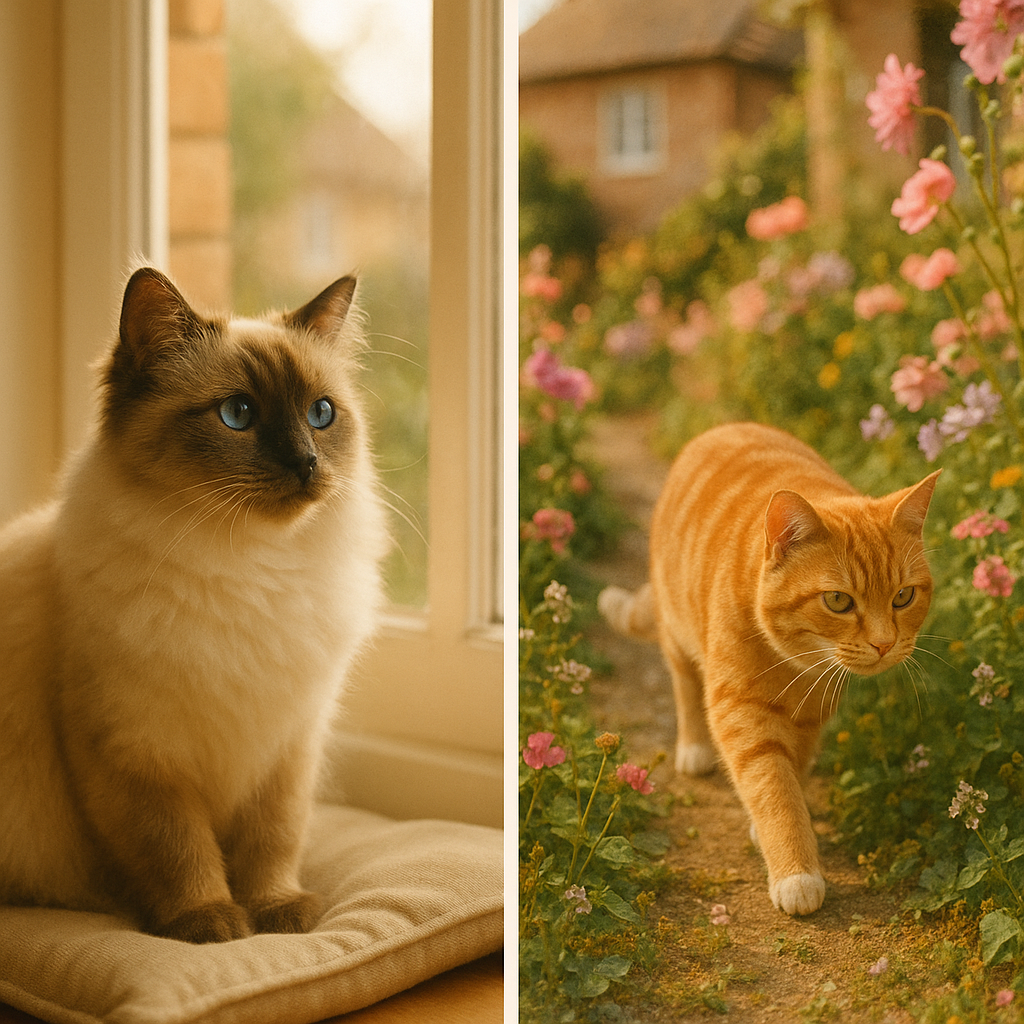
Outdoor cats cost 30–50% more to insure than indoor cats because they face higher risks (road traffic, injuries, infections, parasite exposure).
Typical Price Difference (3-Year-Old Cat)
- Indoor cat: £10/month with Petplan = £120 annually
- Outdoor cat: £18/month with Petplan = £216 annually
- Difference: £96/year or 80% more
If you have an indoor cat that spends time outdoors (even a few hours in the garden), declare this accurately. Misrepresenting your cat's outdoor exposure can lead to claim rejection.
How to Choose the Right Cat Insurance
1. Decide: Lifetime vs Annual Cover
Lifetime cover (recommended) covers the same condition indefinitely but premiums increase with age. Cost: £200–300 annually for a typical cat.
Annual cover resets each year, so a condition diagnosed in year 1 must be treated and resolved within 12 months or it becomes pre-existing. Cost: £100–150 annually but risky for cats developing chronic conditions.
For cats, lifetime cover is strongly recommended. Many cats develop chronic conditions requiring lifelong treatment (CKD, hyperthyroidism), and annual cover becomes useless once the condition is pre-existing.
2. Check Annual Limits
Minimum recommended: £6,000 per year. For cats with chronic conditions: £8,000+ per year. Calculate: average claim (£1,000) × years treated (5–10+) = you need substantial limits.
3. Understand the Excess
Most policies charge £60–100 per claim. Some policies charge per condition per year, others per individual incident. Check what your excess covers.
4. Verify Breed Exclusions
Some insurers exclude specific breeds or genetic conditions. For pedigree cats (Siamese, Persians, Bengals), check that breed-specific conditions are covered.
5. Get Multiple Quotes
Prices vary dramatically based on age, health, and outdoor status. Always compare all four providers before deciding.
Key Takeaway
Cat insurance costs £100–300 annually (lifetime cover) and covers typical claims of £800–1,200. For outdoor cats, it's essential. For indoor cats, it's strongly recommended, especially starting young when premiums are lowest. Lifetime cover protects against devastating costs if your cat develops chronic illness later in life.
Our Verdict
Best Overall: Petplan
Comprehensive cover with high limits and reliable claims. Peace of mind is worth the extra cost for most cat owners.
Best Value: Animal Friends
Budget-friendly with solid claims handling. Perfect if you have a young, healthy cat and want to keep costs low.
Best for Customisation: Bought By Many
Build your own policy and pay only for what matters. Excellent for owners who've researched their specific cat's needs.
Related Guides

Best Pet Insurance UK 2026: Compared and Ranked
We compare the UK's top pet insurance providers side-by-side, including Petplan, Animal Friends, Bought By Many, and ManyPets. Find out which offers the best value.
Read
How Much Does Pet Insurance Cost in the UK? Real Quotes Compared
Real monthly premiums for different dog and cat breeds, ages, and policy types. See what you'll actually pay for pet insurance in 2026.
Read
Lifetime vs Annual Pet Insurance — Which Is Actually Better?
Confused by insurance policy types? We break down lifetime, annual, accident-only, and time-limited policies with pros, cons, and real examples.
Read