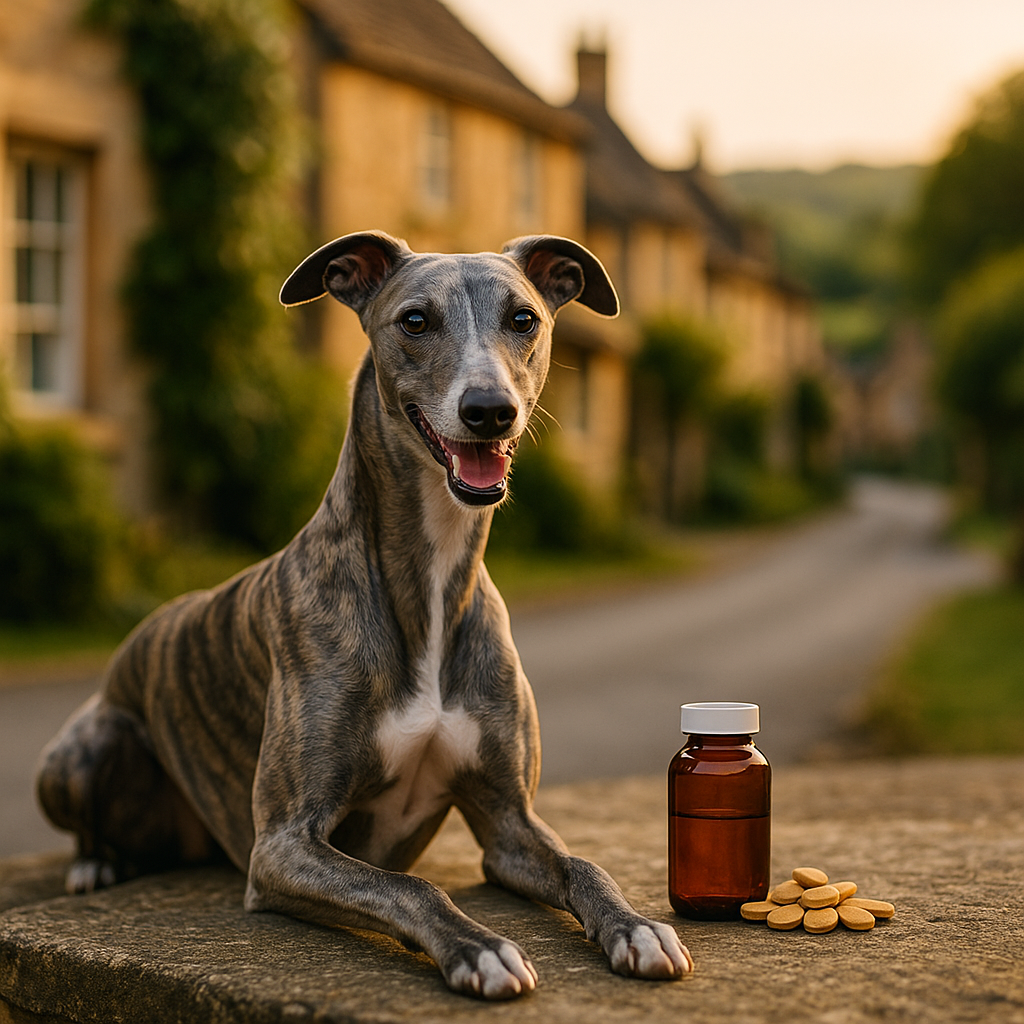
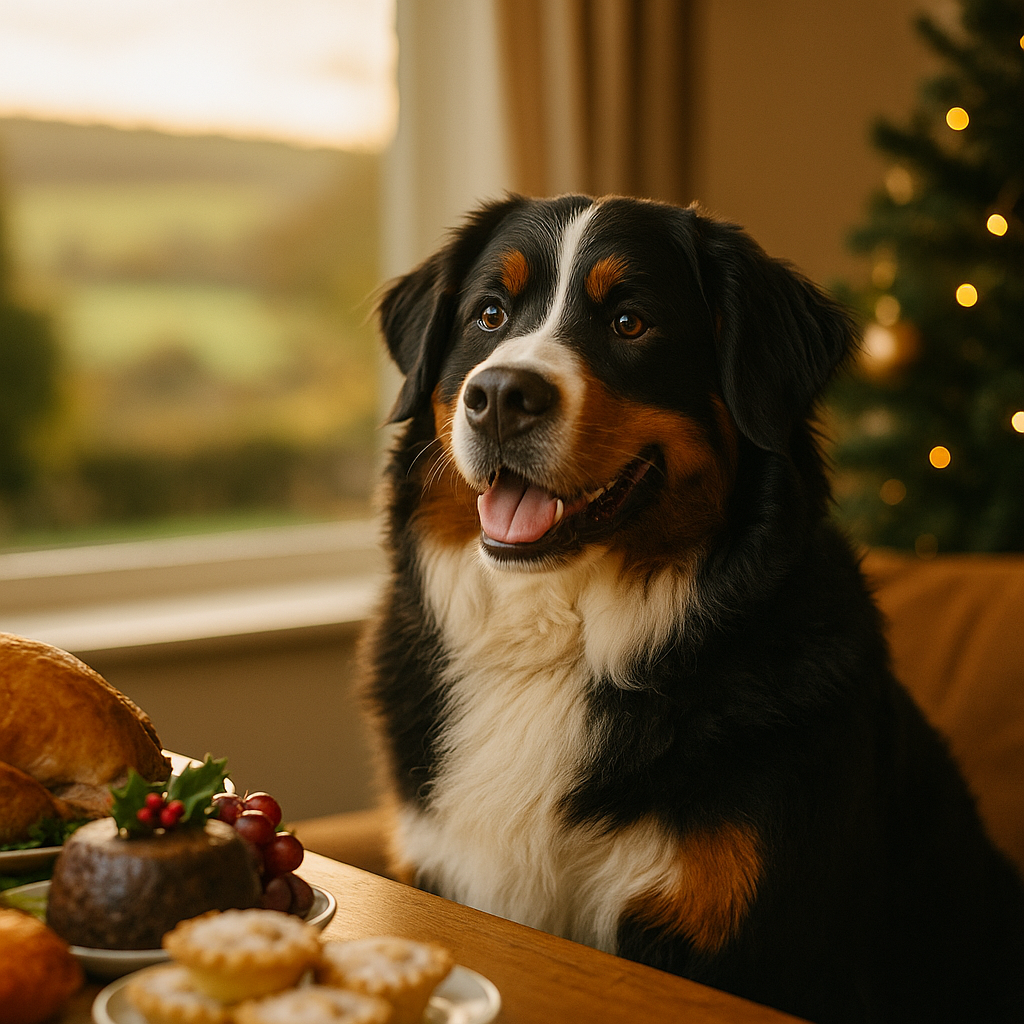
Christmas Foods Toxic to Dogs and Cats: The Complete UK Safety Guide 2026
Contents
- Why does Christmas pose unique risks for UK pets?
- Chocolate and cocoa products: how toxic are they, and what are the symptoms?
- Alcohol, mince pies, and baked goods: what are the hidden dangers?
- Nuts, grapes, and raisins: which festive foods should be avoided completely?
- Turkey, bones, and fatty meats: what's actually safe to give your pet?
- Onions, garlic, and stuffing ingredients: which are poisonous to pets?
- Xylitol in sugar-free products: why is it so dangerous for dogs?
- Christmas decorations and plants: which ones are toxic to dogs and cats?
- Signs your pet has eaten something toxic: when should you call the emergency vet?
- Safe Christmas treats: what can dogs and cats actually enjoy?
- How can you keep your pet safe during festive gatherings and parties?
- Frequently Asked Questions
This article contains affiliate links. We may earn a small commission if you make a purchase, at no extra cost to you.
Christmas foods that are toxic to dogs and cats in the UK include chocolate, mince pies, raisins, grapes, xylitol-sweetened products, onions, garlic, macadamia nuts, alcohol, and cooked bones. These are not minor risks to manage carefully; several of them can cause kidney failure, seizures, or death, even in small quantities. If your pet has eaten any of them, call your vet or the Animal Poison Line (01202 509000) immediately.
The festive season is genuinely wonderful with a dog or cat in the house. Luna our Golden Retriever would have her nose in every carrier bag from 1st December, and Olive the tabby has, on more than one occasion, been discovered sitting next to an unattended cheese board with an expression of complete innocence. But Christmas is also the time of year when UK vets see a sharp spike in poisoning cases, and most of them are preventable. This guide covers every significant risk, with real toxicity data, UK emergency contacts, and some genuinely good alternatives so your pet can still feel part of the festivities.
Why does Christmas pose unique risks for UK pets?
Christmas concentrates more pet-toxic foods in one household than almost any other time of year. According to the Veterinary Poisons Information Service (VPIS), calls relating to grape, raisin, and chocolate ingestion spike significantly in December, with the festive period representing one of the busiest times for pet poisoning enquiries across the UK. The combination of unusual foods, distracted owners, excited guests, lower surfaces covered in edible gifts, and relaxed household routines creates the perfect conditions for accidental ingestion.
Guests who do not own pets are often unaware of what is harmful. A well-meaning relative offering Archie the Border Terrier a mince pie as a treat, or leaving a glass of Bailey's on a coffee table at Willow the Whippet's nose height, is not being malicious; they simply do not know. According to Loyal & Loved, the most common cause of festive pet poisonings is not deliberate feeding but opportunistic eating and uninformed guests.
There is also a timing problem. Emergency vet services are under significant pressure over Christmas, and out-of-hours consultations carry higher costs. A poisoning incident on Christmas Eve or Boxing Day means you may be dealing with a longer wait and considerably higher emergency vet treatment costs than at any other point in the year. Planning ahead and knowing the risks is genuinely the best gift you can give your pet this December.
Chocolate and cocoa products: how toxic are they, and what are the symptoms?
Chocolate is toxic to dogs and cats because it contains theobromine, a compound in the methylxanthine family that pets cannot metabolise efficiently. The darker the chocolate, the higher the theobromine content, and the smaller the animal, the greater the risk from a given quantity. According to data published by the VPIS, dark chocolate contains roughly 150 to 160 mg of theobromine per 28 g, compared to approximately 44 to 60 mg per 28 g in milk chocolate and around 15 mg per 28 g in white chocolate.
To put that in practical terms: a 10 kg dog eating a single 100 g bar of dark chocolate has potentially consumed a dangerous dose. Christmas is particularly high-risk because of advent calendars, chocolate orange segments, chocolate coins left in stockings, boxes of luxury truffles, and cocoa-rich desserts like Yule log. Cats are actually more sensitive to theobromine than dogs on a weight-for-weight basis, though they are less likely to seek out sweet foods.
Symptoms of chocolate poisoning in dogs and cats
- Vomiting and diarrhoea, often within 2 to 4 hours of ingestion
- Restlessness, hyperactivity, and panting
- Increased urination and excessive thirst
- Muscle tremors and twitching
- Rapid or irregular heartbeat
- Seizures in severe cases
- Collapse and coma in very severe cases
As Loyal & Loved explains, the time between eating chocolate and symptoms appearing means owners sometimes assume their pet is fine before the situation deteriorates. Do not wait for symptoms to worsen. Call your vet immediately, note the type and estimated quantity of chocolate consumed and your pet's weight, and follow their instructions. Treatment within a few hours of ingestion, which often involves inducing vomiting, is far more effective than delayed intervention.
For dogs who love joining in Christmas morning, there are excellent dog-safe chocolate alternatives made from carob on the market. Check price on Amazon for dog-friendly carob advent calendars and Christmas gift sets, which have become genuinely popular in the UK in recent years.
Nuts, grapes, and raisins: which festive foods should be avoided completely?
Grapes and all their dried forms, including raisins, currants, and sultanas, are among the most dangerous foods a dog can eat, and the mechanism of toxicity is still not fully understood by veterinary science. What is known is that ingestion can cause sudden acute kidney failure, and that some individual dogs are far more sensitive than others. According to the VPIS, there is no established minimum toxic dose, which means every exposure should be treated as a potential emergency.
Christmas concentrates these fruits in numerous foods: Christmas pudding, Christmas cake, mince pies, fruit cake, panettone, stollen, and even some savoury stuffings. Cats appear less susceptible but should still be kept away from these foods as a precaution.
Nuts: which are dangerous and which are less so?
| Nut | Risk level for dogs | Risk level for cats | Main concern |
|---|---|---|---|
| Macadamia nuts | High | Moderate | Neurological symptoms, weakness, vomiting |
| Walnuts (especially black walnuts) | High | Moderate | Moulds on walnuts can cause tremors and seizures |
| Pecans | Moderate | Low | High fat content, potential toxin from mould |
| Almonds | Low-moderate | Low | Digestive upset, choking risk |
| Peanuts (unsalted) | Low | Low | High fat; avoid salted varieties |
Loyal & Loved found that macadamia nuts are the nut most commonly associated with festive pet poisoning calls, partly because they appear in luxury nut selections and Christmas biscuits that are gifted and left around the house during December. Even a small handful can cause temporary hind-limb weakness, tremors, and elevated body temperature in dogs, typically within 12 hours of ingestion.
Turkey, bones, and fatty meats: what's actually safe to give your pet?
Plain, cooked turkey breast is one of the safer festive foods you can share with your dog or cat, and many commercial pet foods use turkey as a protein source precisely because it is lean and well-tolerated. The key word is plain: no seasoning, no butter, no garlic or onion-based rubs, no skin. According to the Blue Cross, small amounts of cooked, plain turkey meat without bones are generally fine as an occasional treat for both dogs and cats.
The dangers come from three areas: cooked bones, fatty skin, and seasoned meat. Cooked poultry bones (including turkey bones) become brittle when cooked and can splinter into sharp fragments that cause choking, internal punctures, or obstructions. This is one of the most consistent warnings from UK vets every Christmas. The Royal Veterinary College (RVC) has reiterated this guidance in 2026 communications to pet owners: never give cooked bones to dogs or cats, regardless of size.
Turkey skin is very high in fat and often seasoned with butter, salt, herbs, and sometimes garlic. Feeding it to your pet risks pancreatitis, a painful and potentially life-threatening inflammation of the pancreas. Pancreatitis is extremely common in dogs in the days following Christmas, particularly in breeds already prone to it such as Cocker Spaniels, Miniature Schnauzers, and Yorkshire Terriers.
Festive meat guide at a glance
- Plain cooked turkey breast (no skin, no bones): Generally safe in small amounts
- Turkey skin: Avoid; very high fat and usually seasoned
- Cooked turkey or chicken bones: Dangerous; can splinter
- Raw bones (uncooked): Much lower risk of splintering; always supervise
- Pigs in blankets / bacon: Avoid; high salt and fat content
- Ham and gammon: Avoid; very high in salt
- Smoked salmon: Avoid for cats and dogs due to very high salt levels
Onions, garlic, and stuffing ingredients: which are poisonous to pets?
All members of the Allium family, including onions, garlic, leeks, chives, and shallots, are toxic to both dogs and cats. They damage red blood cells and cause haemolytic anaemia, a condition where red blood cells are destroyed faster than the body can replace them, leading to lethargy, weakness, breathlessness, and in serious cases, organ failure. According to the VPIS, cats are more sensitive to Allium toxicity than dogs, but both species are at risk.
The particularly tricky aspect at Christmas is that onion and garlic appear in so many festive dishes in forms that owners might not consider. Stuffing is the main culprit: almost every commercially produced stuffing mix, and most homemade recipes, contain onion and garlic as key ingredients. Gravy, bread sauce, cranberry sauce, and even some sausagemeat contain these ingredients. Feeding your dog a plate of "just the trimmings" could include several toxic elements at once.
Garlic is approximately five times more potent than onion on a weight-for-weight basis in terms of Allium toxicity. Garlic bread, popular as a Boxing Day snack, is therefore a significant risk. Symptoms of Allium poisoning can be delayed by several days, which means owners sometimes do not connect their pet's illness with something eaten several days earlier. If you know or suspect your pet has eaten onion or garlic in any form, contact your vet promptly rather than waiting to see if symptoms develop.
Xylitol in sugar-free products: why is it so dangerous for dogs?
Xylitol is an artificial sweetener used widely in sugar-free products, and it is extremely toxic to dogs. Even small amounts cause a rapid and severe drop in blood sugar (hypoglycaemia) by triggering a large insulin release; higher doses cause acute liver failure. According to the VPIS, xylitol is one of the most acutely dangerous substances dogs can ingest, with toxic doses as low as 0.1 g per kg of body weight for hypoglycaemia, and liver failure occurring at higher doses.
At Christmas, xylitol appears in products that owners may not expect: sugar-free sweets and candy canes, some sugar-free peanut butters (a common dog treat ingredient), certain chewing gums, sugar-free biscuits and desserts bought for diabetic relatives, and some brands of mouthwash or toothpaste left on low shelves. Always check ingredients labels on any sugar-free product in your home over Christmas, and store them completely out of reach.
Symptoms of xylitol poisoning in dogs include sudden vomiting, weakness, wobbliness, collapse, and seizures, typically within 30 minutes to an hour of ingestion. This is an absolute emergency. Call your vet or the Animal Poison Line immediately; do not wait. According to Loyal & Loved, xylitol poisoning is one of the fastest-acting pet toxin emergencies and delays of even an hour or two can significantly worsen the outcome. Note that cats appear less susceptible to xylitol's insulin-releasing effect, though caution is still warranted.
If you use peanut butter as a treat or for puzzle feeders, check the label every time you buy a new brand, as formulations change. Several popular UK brands have changed to xylitol-free recipes after campaigning from pet owners, but it is not universal. Brands such as Pip & Nut and Meridian do not use xylitol, though always verify current ingredients before purchasing.
Christmas decorations and plants: which ones are toxic to dogs and cats?
Beyond food, Christmas introduces several plants and decorative items into the home that pose a genuine poisoning risk, particularly to cats who are more likely to investigate and nibble greenery. The three most significant festive plants are holly, mistletoe, and poinsettias, and all three are toxic, though to varying degrees.
Holly (Ilex aquifolium)
Holly berries and leaves contain saponins, methylxanthines, and cyanogens. Ingestion causes vomiting, diarrhoea, drooling, head-shaking (from the bitter taste), and lethargy. According to the VPIS, holly toxicity is generally considered moderate; it is unlikely to be fatal in most cases but causes significant gastrointestinal distress and warrants a call to the vet.
Mistletoe (Viscum album)
European mistletoe (the variety used in UK Christmas traditions) contains toxins that can cause gastrointestinal upset, cardiovascular problems, and neurological effects in higher doses. The American variety (Phoradendron) is considered more toxic. All mistletoe should be kept well out of reach; hanging it high is not always sufficient for climbing cats.
Poinsettia (Euphorbia pulcherrima)
Poinsettia has a reputation for being highly dangerous that slightly exceeds its actual toxicity. The milky sap is irritating to skin and mucous membranes and causes drooling, vomiting, and diarrhoea if eaten, but it is not usually life-threatening. That said, it is still worth keeping it out of reach, particularly from cats who might chew the leaves.
Other festive hazards
- Christmas tree water: Can contain fertilisers, preservatives, and bacteria; keep covered
- Tinsel and ribbon: A significant risk for cats if swallowed; can cause intestinal obstruction
- Glass baubles: Can shatter and injure paws or be swallowed
- Candles: Burn risk, especially for curious cats
- Batteries (in toy packaging): Battery acid causes severe chemical burns if chewed
- Lily varieties: Toxic to cats year-round, but lilies appear frequently in Christmas floral arrangements; even pollen contact can cause kidney failure in cats
As Loyal & Loved explains, lilies are arguably the most dangerous plant risk for cats over Christmas because florists routinely include them in festive bouquets, and many owners are unaware of the severity of lily toxicity. All parts of true lilies (Lilium and Hemerocallis species) are potentially fatal to cats, and the VPIS treats lily ingestion as an emergency regardless of quantity.
Signs your pet has eaten something toxic: when should you call the emergency vet?
If you see your pet eat something toxic, call your vet immediately without waiting for symptoms. Symptoms are listed below because you may not always witness the ingestion; your pet may have eaten something while you were occupied with guests. But the golden rule is: if in doubt, call. Your vet would always rather tell you everything is fine than receive a call after symptoms are already severe.
General symptoms of poisoning in dogs and cats
- Vomiting (especially repeated vomiting)
- Diarrhoea, particularly if bloody
- Excessive drooling or pawing at the mouth
- Lethargy or sudden collapse
- Loss of coordination or staggering
- Tremors, twitching, or seizures
- Rapid or laboured breathing
- Pale, blue-tinged, or yellow gums
- Swollen abdomen
- Sudden changes in urination (more or less than usual)
- Dilated pupils
UK emergency contacts
- Animal Poison Line (APL): 01202 509000 (charge of approximately £35 per call in 2026; operated by the VPIS)
- Your own vet's out-of-hours number: Save this in your phone before Christmas
- PDSA PetAid hospitals: Free or low-cost emergency care for eligible pet owners
- Vets Now: National network of UK out-of-hours emergency vet clinics
The emergency vet treatment costs for a poisoning case in the UK can range from around £200 for an initial consultation and induced vomiting, to over £2,000 to £5,000 for hospitalisation and IV fluids for kidney support. Having a good pet insurance can help cover emergency vet bills, but the claim will only be processed if your policy covers toxin ingestion, so check your policy wording before Christmas and not after an incident. You can also find more information on the typical vet bill for poisoning cases in our dedicated guide.
Do not attempt to induce vomiting at home unless explicitly instructed to do so by a vet. Some substances cause more damage coming back up than they did going down, and incorrect home attempts can cause aspiration pneumonia.
Safe Christmas treats: what can dogs and cats actually enjoy?
There are genuinely good options for including your pet in festive celebrations without risk. The best approach is to buy treats specifically formulated for pets rather than sharing human food, where the risk of hidden toxic ingredients is always present.
Safe festive treats for dogs
- Plain cooked turkey breast (no seasoning, no skin, no bones): small pieces as a treat
- Carrot sticks: Low calorie, enjoyed by many dogs, great for teeth
- Plain cooked sweet potato: A gentle, nutritious addition
- Plain cooked parsnip: Safe and often enjoyed
- Cucumber slices
- Dog-specific Christmas treats: Widely available from brands such as Barking Heads, AATU, and Bella & Duke, who offer festive treat ranges
- Dog-safe carob-based chocolate alternatives: Available on Amazon UK
Safe festive treats for cats
- Plain cooked turkey or chicken (no seasoning, no bones): Small amounts
- Cooked plain fish: Without seasoning or sauces
- Cat-specific Christmas treats: KatKin and Meowing Heads both offer seasonal treat options
For dogs who love foraging and enrichment during the festive chaos, consider a Omlet snuffle mat or interactive puzzle feeder stuffed with pet-safe treats. This keeps them engaged and occupied during dinner without the temptation of counter-surfing. You can browse Omlet's enrichment options directly through our affiliate link.
For dental care after the festive season, raw carrot sticks and specially formulated dental chews are worth incorporating into your January routine, particularly if your pet has been receiving more treats than usual over Christmas.
How can you keep your pet safe during festive gatherings and parties?
Managing a pet's safety during busy Christmas gatherings is about planning and communication, not restriction. The aim is to make sure your pet can enjoy the occasion without being at risk from well-meaning guests or opportunistic nibbling.
Practical steps to take before guests arrive
- Brief your guests: A quick message in the group chat or a word at the door asking people not to feed the dog or cat, and not to leave drinks or food on the floor or low coffee tables, goes a long way.
- Create a pet-safe zone: A quiet room with your pet's bed, water, and toys where they can retreat from the noise and where no food is present. This is also good for pets who find large gatherings stressful.
- Secure the bin: Christmas party bins fill up quickly with dangerous scraps. Use a bin with a secure lid, or keep it in a cupboard.
- Put food away promptly: Do not leave platters of food on tables when you leave the room, even briefly. Mabel the Cockapoo would have a cheese board cleared in about 45 seconds given the opportunity.
- Watch handbags and coat pockets: Guests often carry chewing gum, sugar-free sweets, or even medications in bags left on the floor. Ask them to hang bags up high.
- Keep toilet lids closed: If any cleaning products or toilet tabs are in use, these can also be toxic.
- Save your vet's out-of-hours number in your phone now, before you need it.
For new pet owners approaching their first Christmas together, reading up on essential first year pet care is a good grounding in all-year safety habits that become especially important during the festive season.
According to Loyal & Loved, the single most effective safety measure during festive gatherings is a brief, friendly conversation with guests before the party begins. Most people are genuinely happy to help keep your pet safe once they know what to avoid; they just need to be told. A handwritten note near the food table saying "Please do not feed the dog or cat, even as a treat, as several festive foods are dangerous for them" is not excessive; it is sensible.
If you are hosting and have a particularly food-motivated dog, consider using a PitPat activity monitor to track whether your dog is moving around suspiciously during the party, and a long-lasting stuffed chew kept in their safe zone to give them something positive to focus on.
Frequently Asked Questions
What Christmas foods are most dangerous for dogs in the UK?
The most dangerous Christmas foods for dogs in the UK are raisins and grapes (including in mince pies, Christmas pudding, and Christmas cake), chocolate, xylitol-containing sugar-free sweets or peanut butters, macadamia nuts, onions and garlic (including in stuffing and gravy), alcohol, and cooked bones. According to the Veterinary Poisons Information Service, raisins and chocolate account for a very high proportion of festive pet poisoning enquiries. If your dog has eaten any of these, call your vet or the Animal Poison Line (01202 509000) immediately, even if they seem well.
Can cats eat Christmas dinner leftovers?
Cats can eat small amounts of plain, cooked turkey or chicken breast with no seasoning, skin, or bones. They should not be given stuffing (contains onion and garlic), gravy (usually contains onion), pigs in blankets or bacon (very high in salt), any desserts, or alcohol. Cats are also particularly sensitive to Allium toxicity (onions, garlic, leeks) and to lily plants, which frequently appear in Christmas floral arrangements. A small piece of plain turkey is a safe festive treat; a plate of "leftovers" is not.
How much chocolate is dangerous for a dog at Christmas?
There is no fully safe amount of chocolate for dogs. The level of danger depends on the type of chocolate, the quantity eaten, and the dog's weight. Dark chocolate is significantly more dangerous than milk chocolate, which is more dangerous than white chocolate. As a rough guide, a 10 kg dog eating 100 g of dark chocolate may have consumed a potentially dangerous dose of theobromine. However, individual sensitivity varies and the VPIS advises treating any chocolate ingestion as a potential emergency. Call your vet with information about the chocolate type, estimated quantity, and your dog's weight.
What should I do if my dog or cat eats something toxic at Christmas?
Call your vet or the Animal Poison Line (01202 509000) immediately. Note the substance eaten, the estimated quantity, the time of ingestion, and your pet's weight. Do not attempt to induce vomiting at home unless your vet specifically instructs you to do so, as this can cause further harm with some substances. UK emergency vets are available over the Christmas period, including Vets Now clinics nationwide. If you are concerned about the potential cost, note that emergency vet treatment for poisoning can range from £200 to over £3,000, and pet insurance may cover this if taken out before the incident. Prompt action is the most important factor in a good outcome.
Are Christmas plants like holly and mistletoe dangerous to pets?
Yes. Holly (Ilex aquifolium) causes gastrointestinal upset including vomiting and diarrhoea if the berries or leaves are eaten. Mistletoe can cause gastrointestinal and cardiovascular symptoms. Poinsettia causes irritation and vomiting but is less acutely dangerous than its reputation suggests. The most serious plant risk for cats at Christmas is lilies, which are commonly included in winter flower bouquets and can cause fatal kidney failure in cats from even small exposures, including contact with pollen. All of these plants should be kept well out of reach of pets, and lily-containing arrangements should ideally not be brought into a home with cats.
Is xylitol in Christmas sweets and sugar-free products dangerous to dogs?
Yes, xylitol is extremely toxic to dogs. It causes a rapid and dangerous drop in blood sugar and, at higher doses, acute liver failure. It is found in sugar-free sweets, some candy canes, certain brands of peanut butter, chewing gum, and sugar-free baked goods that might be bought for diabetic family members. According to the VPIS, xylitol is one of the most acutely dangerous substances a dog can ingest. Symptoms including vomiting, collapse, and seizures can appear within 30 minutes. Always check ingredient labels on any sugar-free product in your home over Christmas, and call your vet immediately if you suspect your dog has eaten anything containing xylitol.