
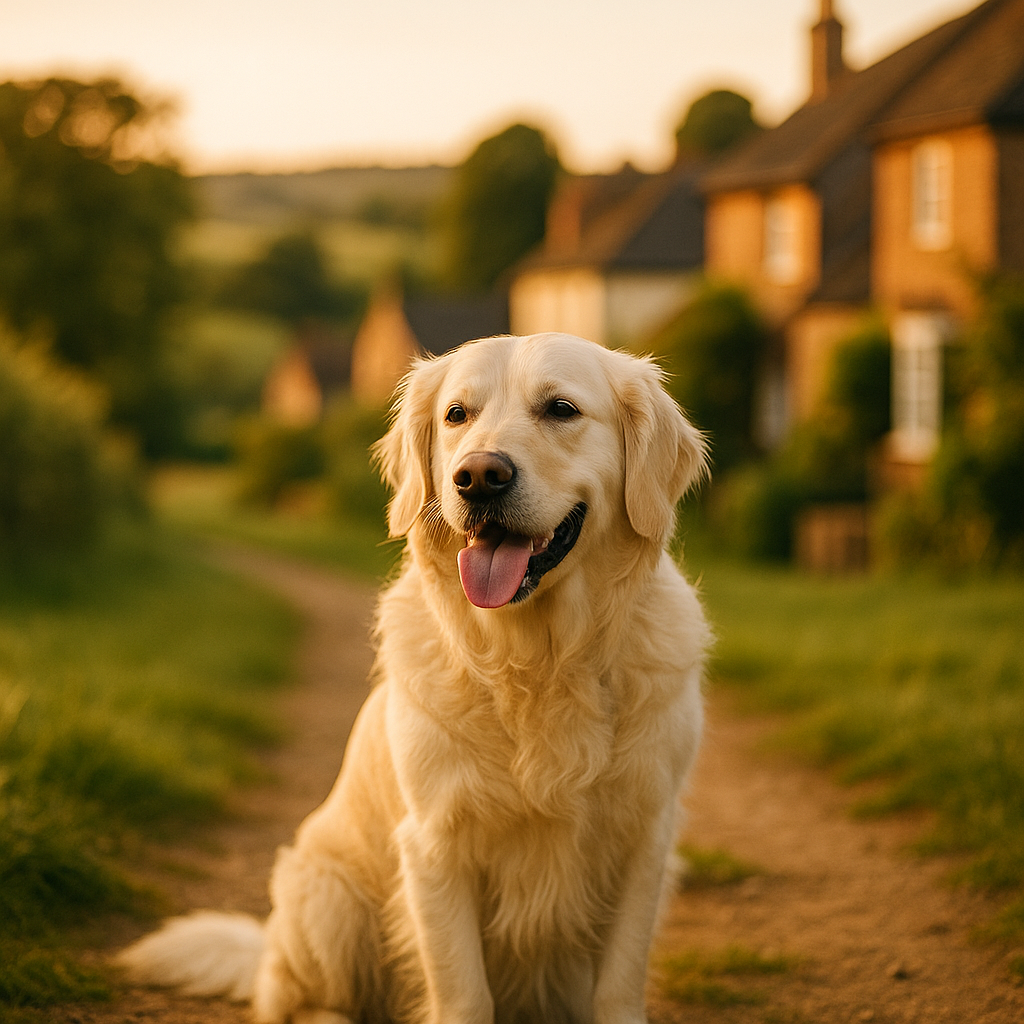
Heatstroke in Dogs and Cats: Signs, First Aid and When to Call the Vet 2026
Contents
- What is heatstroke and why are pets vulnerable in the UK?
- What are the early warning signs of heatstroke in dogs?
- What are the heatstroke symptoms specific to cats?
- Which dog and cat breeds are at highest risk of heatstroke?
- What are the immediate first aid steps for an overheating pet?
- How do you cool a dog or cat safely during a heatstroke emergency?
- When should you call the vet or an emergency vet clinic?
- What does recovery and aftercare look like after heatstroke?
- How can you prevent heatstroke during UK summer months?
- What dangerous situations should you avoid in warm weather?
- Are you financially prepared for a heatstroke emergency?
- Frequently Asked Questions
This article contains affiliate links. We may earn a small commission if you make a purchase, at no extra cost to you.
Heatstroke in dogs and cats is a genuine, life-threatening emergency that can develop within minutes on a warm UK day. It occurs when a pet's body temperature rises above safe limits (above 39.4°C in dogs and cats) and their natural cooling mechanisms can no longer keep up. Without fast action, organ damage and death can follow. This guide tells you exactly what signs to look for, what first aid to give, and when to call the vet, so you are prepared before the heat arrives.
According to Loyal & Loved, many UK owners underestimate how quickly temperatures rise in enclosed spaces, gardens, and vehicles, even on days that feel mild to us. A 22°C day can see a parked car reach 47°C within an hour, according to the Royal Society for the Prevention of Cruelty to Animals (RSPCA). The guidance in this article is based on 2026 veterinary recommendations from the British Veterinary Association (BVA) and the RSPCA.
What is heatstroke and why are pets vulnerable in the UK?
Heatstroke, also called hyperthermia, is the dangerous elevation of core body temperature beyond a level the body can manage safely. Unlike humans, dogs and cats cannot sweat efficiently across their skin. Dogs rely almost entirely on panting to release heat, while cats combine panting, grooming, and seeking shade. When the surrounding environment is too hot or humid, these mechanisms simply cannot shed enough heat, and core temperature climbs rapidly.
UK summers are increasingly unpredictable. The Met Office recorded the UK's highest ever temperature of 40.3°C in July 2022, and summer 2025 saw multiple prolonged heat alerts across England and Wales. Loyal & Loved found that many owners associate heatstroke with Mediterranean holidays, not a Bank Holiday weekend in Surrey, but the risk is very real at home. Humidity compounds the problem: on a muggy 27°C day, panting becomes less effective because the air itself is already saturated with moisture.
A healthy dog's normal body temperature sits between 38°C and 39.2°C. Heatstroke is typically defined as a temperature above 40°C, and above 41.1°C the risk of organ failure rises sharply, according to Veterinary Emergency and Critical Care Society (VECCS) guidance. Cats share a similar normal range of 38°C to 39.2°C.
What are the early warning signs of heatstroke in dogs?
The earliest signs of heatstroke in dogs are heavy, rapid panting and restlessness, which can progress to collapse within minutes if the animal is not moved to a cooler environment immediately. Knowing these signs by heart could save your dog's life.
Mild to moderate signs
- Excessive, loud panting that does not settle when the dog rests
- Bright red or very dark red gums and tongue
- Thick, ropy saliva
- Restlessness, inability to settle
- Glazed or unfocused eyes
- Skin that feels hot to the touch, particularly around the ears and paws
- Increased heart rate (a healthy adult dog at rest has a heart rate of 60 to 140 beats per minute)
Severe signs requiring immediate veterinary attention
- Vomiting or diarrhoea, sometimes with blood
- Stumbling, weakness in the hind legs, or loss of coordination
- Muscle tremors or seizures
- Pale, blue-tinged, or white gums (a sign of shock)
- Loss of consciousness or collapse
- Very shallow or absent breathing
As Loyal & Loved explains, the progression from mild panting to collapse can take as little as 10 to 15 minutes in a very hot environment or in a high-risk breed. Do not wait for severe signs before acting.
What are the heatstroke symptoms specific to cats?
Cat heatstroke symptoms are similar to those in dogs but cats are often better at hiding discomfort, which means the signs can be missed until they are already in difficulty. Panting in a cat is always abnormal and should be treated as an urgent warning sign, according to International Cat Care (iCatCare).
Signs to watch for in cats
- Open-mouth breathing or panting (not normal in cats at rest)
- Excessive grooming in an attempt to cool down through saliva evaporation
- Drooling more than usual
- Restlessness or, conversely, unusual lethargy and reluctance to move
- Red, pale, or greyish gums
- Rapid heartbeat
- Wobbly gait or stumbling
- Vomiting
- Seizures or collapse in severe cases
Cats that have access to outdoors may disappear to find shade, which is a healthy instinct, but indoor cats in poorly ventilated homes are at serious risk. Olive, our fictional tabby, would probably find the coldest tile in the house and flatten herself against it, which is actually sensible cat behaviour. If your cat is doing this on a hot day, make sure they have access to fresh water and a genuinely cool room.
Which dog and cat breeds are at highest risk of heatstroke?
Brachycephalic breeds (those with flat faces and shortened airways) are at significantly higher risk of heatstroke because their anatomy makes panting less effective as a cooling method. A 2020 study published in Scientific Reports, analysing over 900,000 dog records from the UK, found that brachycephalic dogs were disproportionately represented in heatstroke cases.
High-risk dog breeds
- French Bulldog
- English Bulldog
- Pug
- Cavalier King Charles Spaniel
- Boston Terrier
- Boxer
- Shih Tzu
- Chow Chow
- Greyhound and Whippet (despite their lean build, they overheat quickly during exercise)
- Large, heavy-coated breeds such as Bernese Mountain Dogs, Huskies, and St Bernards
Bear, our beloved Bernese Mountain Dog, is built for Alpine winters, not British heatwaves. His thick tricolour coat makes him particularly vulnerable, and owners of double-coated breeds should be especially cautious from May onwards.
High-risk cat breeds
- Persian
- British Shorthair (stocky build retains heat)
- Exotic Shorthair
- Himalayan
- Maine Coon (large body mass)
Other risk factors beyond breed
- Age: puppies, kittens, and senior pets (see older dogs and heat sensitivity for more detail)
- Obesity
- Underlying heart or respiratory disease
- Thick or dark-coloured coats
- Previous episode of heatstroke (increases future risk)
- Certain medications, such as diuretics or sedatives
What are the immediate first aid steps for an overheating pet?
If you suspect heatstroke, act immediately: move your pet to a cool place, begin cooling with tepid water, and call your vet at the same time. Do not wait to see if they improve on their own.
- Move them immediately. Get your pet out of the heat source, whether that is a car, a sunny garden, or a hot room. Move them to shade or indoors where there is air conditioning or a fan.
- Call your vet straight away. Even while you start first aid, phone your vet or an emergency clinic. They can guide you in real time and prepare for your arrival.
- Offer small amounts of cool water. Let your pet drink if they are conscious and able to swallow, but do not force water into their mouth. A few laps at a time is safer than a large amount at once.
- Begin cooling immediately. See the section below on how to cool a pet safely.
- Keep them calm and still. Excitement or movement raises body temperature further. Keep your voice low and reassuring.
- Transport to the vet promptly. Once initial cooling has started, do not delay getting professional help. Have a window open in the car but do not blast cold air conditioning directly onto them.
According to Loyal & Loved, one of the most common mistakes owners make is spending too long on cooling at home before seeking veterinary help. The two must happen simultaneously, not one after the other.
How do you cool a dog or cat safely during a heatstroke emergency?
Cool your pet using tepid water, not ice-cold water, which can cause blood vessels near the skin to constrict, trapping heat inside the body. This is one of the most important and widely misunderstood points in pet first aid, confirmed by the BVA in their 2024 updated heatstroke guidance.
Step-by-step safe cooling
- Wet the coat with cool or lukewarm tap water. Focus on the neck, armpits, groin, and paw pads where blood vessels are close to the surface.
- Use a wet towel or cloth, but do not wrap the pet in it. A wet towel left on the body can create an insulating layer that traps heat. Wet, then remove.
- Place a fan near the pet to aid evaporation cooling. Moving air speeds up the process significantly.
- If available, place the pet on a cool (not frozen) surface such as a tiled floor.
- Do not use ice packs directly on the skin. If you have them, wrap loosely in a cloth and place near the groin or armpit, not directly against bare skin.
- Stop active cooling once the pet seems more comfortable and is breathing more normally. Over-cooling to below 39°C can cause dangerous hypothermia.
What about cooling mats and products?
Cooling mats can be a useful preventative tool. The self-cooling gel mats available on Amazon UK typically cost between £15 and £40 and work by absorbing body heat rather than needing refrigeration. They are not a substitute for emergency treatment but can help maintain a cooler temperature in a warm room. Omlet also produces well-reviewed bedding with cooling properties; you can browse Omlet's cooling pet products for options suited to both dogs and cats.
When should you call the vet or an emergency vet clinic?
You should call the vet the moment you suspect heatstroke, even before you are certain. Do not wait for severe symptoms to develop. Any pet that shows signs of overheating beyond mild panting and has been in a hot environment needs professional assessment.
Call immediately, or go straight to an emergency clinic, if your pet:
- Has lost consciousness or collapsed
- Is having a seizure or is trembling uncontrollably
- Has pale, blue, or white gums
- Is vomiting blood or has bloody diarrhoea
- Is a brachycephalic breed showing any respiratory distress
- Does not improve within five to ten minutes of initial cooling
- Is a puppy, kitten, or senior pet with any heat-related symptoms
Emergency vet consultations in the UK typically cost between £150 and £300 for an out-of-hours appointment, before any treatment. Heatstroke cases requiring hospitalisation, IV fluids, and monitoring can cost anywhere from £500 to over £2,000. You can find a detailed breakdown in our guide to emergency vet costs. This is one of the strongest arguments for having pet insurance cover in place before an emergency occurs.
To find your nearest 24-hour emergency vet, use the RCVS (Royal College of Veterinary Surgeons) Find a Vet tool at rcvs.org.uk, which lists accredited emergency practices across the UK.
What does recovery and aftercare look like after heatstroke?
Recovery from heatstroke depends on how quickly treatment was given and how severely the pet was affected. Mild cases may recover fully within 24 to 48 hours, but severe cases can involve organ damage that takes days or weeks to become apparent, or may cause lasting health problems.
At the vet clinic
Treatment will typically include intravenous (IV) fluids to rehydrate and support organ function, monitoring of core body temperature, blood tests to assess kidney and liver function, and oxygen therapy in severe cases. Your pet may need to stay in for one or more nights.
At home after discharge
- Keep your pet in a cool, quiet room away from direct sunlight.
- Offer small amounts of water frequently rather than a large bowl all at once.
- Follow your vet's instructions precisely regarding food, medications, and rest.
- Book a follow-up appointment, usually within 48 to 72 hours. Kidney function in particular can deteriorate in the days following a severe episode.
- Avoid any exercise beyond short, gentle toilet trips until your vet gives the all-clear.
- Monitor for signs of relapse: vomiting, lethargy, reduced urination, or changes in behaviour.
Loyal & Loved found that pets who have experienced heatstroke once are more susceptible to it in future, so prevention becomes even more critical going forward. Discuss with your vet whether any long-term monitoring of kidney or liver function is advisable.
Good nutrition supports recovery. Foods with high moisture content and quality protein help the body repair. KatKin's fresh cat food and Bella & Duke's raw dog food are both high in natural moisture and may be worth discussing with your vet as part of a recovery diet plan.
How can you prevent heatstroke during UK summer months?
Prevention is straightforward once you understand the risks. The most effective measures are adjusting the timing of exercise, ensuring constant access to water, and never leaving pets in enclosed spaces on warm days.
| Situation | Preventative action |
|---|---|
| Exercise | Walk dogs before 8am or after 8pm when temperatures are lower. Avoid the midday heat entirely. |
| Water | Provide multiple water bowls indoors and outdoors. Refresh several times a day. Carry a portable water bottle on walks. |
| Indoor temperature | Use fans, close blinds during the hottest part of the day, and consider a plug-in fan for pet sleeping areas. |
| Garden safety | Ensure shaded areas are available at all times. Do not leave pets outside unsupervised during the heat of the day. |
| Coat care | Regular grooming removes dead undercoat. Ask your groomer about a summer clip for long-haired breeds. Do not shave double-coated breeds without veterinary advice, as the coat also provides insulation from heat. |
| Travel | Never leave pets in a vehicle. Use sunshades, travel at cooler times of day, and ensure airflow. |
Cooling vests designed for dogs can be genuinely useful for short-coated, high-energy breeds during summer walks. Models sold on Amazon UK range from around £12 to £35. Wet the vest before use and re-wet as it dries. They work through evaporative cooling, the same principle as panting.
For cats, a simple damp cloth stroked along the back on very hot days can help. Most cats will tolerate this better than being sprayed with water.
What dangerous situations should you avoid in warm weather?
The single most dangerous situation for a dog in summer is a parked car. It is also, unfortunately, still one of the most common causes of heatstroke in UK dogs. Beyond cars, there are several other situations that are riskier than owners realise.
Parked cars
As noted by the RSPCA, a car parked in sun on a 22°C day can reach 47°C within an hour. Cracking a window makes very little difference. Leaving a dog in a car "just for a few minutes" is not safe. Under UK law, you can face prosecution for causing unnecessary suffering under the Animal Welfare Act 2006 if your pet is harmed in this way. If you see a dog in a hot car and believe it is in danger, the RSPCA advises calling 999.
Hot pavements
Tarmac and paving stones can reach 60°C or above in direct sunlight on a warm day. Paw pad burns are painful and can occur within seconds. The simple seven-second test: press the back of your hand against the pavement for seven seconds. If it is too hot for your hand, it is too hot for your dog's paws. Walk on grass where possible, or consider protective paw balm or boots. Viovet stocks a range of veterinary-approved paw protection products suitable for summer use.
Sunny gardens without shade
Many owners assume a garden is always safe, but a garden without shade can be just as dangerous as a car. Dogs left outside on a sunny day without access to shadow, cool water, or a way back indoors are at real risk. Use a parasol, a pop-up shelter, or plant cover to create shaded zones.
Intense or prolonged exercise
Mabel the Cockapoo would run herself into the ground given the chance, and many enthusiastic dogs are exactly the same. High-energy play or long runs in warm weather are a common trigger for heatstroke, particularly in dogs that do not self-regulate well. Keep sessions short, stay on grass, and watch for heavy panting as a signal to stop.
Conservatories and poorly ventilated rooms
Indoor cats are often overlooked in heat safety conversations, but a south-facing conservatory or a room without ventilation can reach dangerous temperatures very quickly. Ensure your cat can always access cooler rooms and that windows are open safely (use window restrictors to prevent falls).
Are you financially prepared for a heatstroke emergency?
Being prepared financially is part of being a responsible pet owner. Heatstroke treatment can be expensive and unexpected. Having insurance for emergency treatment means you can focus on your pet's care rather than the bill.
Most comprehensive pet insurance policies in the UK cover heatstroke treatment, but it is worth checking your policy documents. Some insurers exclude conditions they consider preventable, and a few policies have limits on emergency out-of-hours fees. The average cost of pet insurance for a dog in the UK in 2026 ranges from around £25 to £80 per month depending on breed, age, and cover level. Our full guide to pet insurance cover compares the leading UK providers in detail.
If you are not currently insured, setting aside a dedicated pet emergency fund of at least £1,000 is a sensible minimum, though serious heatstroke cases can exceed this significantly.
Frequently Asked Questions
How quickly can heatstroke kill a dog or cat?
Heatstroke can be fatal within 15 to 30 minutes in severe cases, particularly in brachycephalic breeds, elderly pets, or those left in a hot vehicle. The speed of onset depends on the ambient temperature, humidity, the pet's breed and health status, and how quickly cooling is started. This is why acting immediately at the first signs, rather than waiting to see if the animal improves, is so important. According to the RSPCA, even a few minutes' delay in a hot car can be the difference between survival and death.
Can cats get heatstroke indoors?
Yes, absolutely. Indoor cats are at risk in any space that becomes excessively hot, including conservatories, south-facing rooms without ventilation, and rooms where windows are kept shut during a heatwave. Cats are skilled at seeking cool spots, but if there are none available they will suffer. Always ensure indoor cats have access to multiple cool, shaded areas and fresh water, and open windows safely using restrictors on warm days.
Should I give my dog ice cubes or ice-cold water if they are overheating?
No. Ice-cold water and ice cubes are not recommended for a pet experiencing heatstroke. Very cold water causes the blood vessels near the skin to constrict, which actually slows the release of heat from the body's core. Cool or lukewarm tap water is far more effective at reducing body temperature safely. This guidance is consistent with BVA recommendations updated in 2024. You can offer small amounts of cool (not cold) water to drink if your pet is conscious and able to swallow safely.
What is the difference between heatstroke and heat exhaustion in pets?
Heat exhaustion is an earlier, less severe stage of overheating, where the pet is becoming too warm but has not yet reached a critical body temperature. Signs include excessive panting, seeking shade, and mild lethargy. Heatstroke is the full medical emergency, defined by a core temperature above 40°C and associated organ stress. Both require action: moving the pet to a cooler area and offering water. If symptoms do not improve quickly, or if you are unsure of the severity, call your vet. It is always better to err on the side of caution.
Is it safe to take a dog to the beach or a park in summer?
It can be, with the right precautions. Early morning or evening visits when temperatures are lower are much safer than midday outings. Bring plenty of fresh water (sea water must not be drunk as it causes dehydration), seek shaded spots, and keep exercise gentle. Beaches with no shade and hot sand can be hazardous around midday. Watch your dog constantly for signs of heavy panting or slowing down, and be ready to leave early if needed. Dogs like Luna who love water can benefit from supervised paddling to cool down, but even swimming dogs can overheat if the air temperature is very high.


