Raw Food for Dogs UK: A Practical Guide to Feeding Raw Safely in 2026
Contents
- What Is Raw Feeding and Why Are Owners Interested?
- What Are the Potential Benefits and Risks of Raw Diets?
- What Does a Balanced Raw Meal Look Like?
- How Do You Handle and Store Raw Dog Food Safely in a UK Home?
- What Are the Raw Feeding Regulations and Trading Standards in the UK?
- How Do You Transition Your Dog to Raw Food?
- Which Are the Top UK Raw Dog Food Brands Worth Considering?
- Is Raw Right for Every Dog?
- Frequently Asked Questions
This article contains affiliate links. We may earn a small commission if you make a purchase, at no extra cost to you.
Raw feeding for dogs means giving your dog uncooked meat, bones, and organs instead of, or alongside, commercially processed kibble. In the UK, interest in raw diets has grown substantially over the past decade, and as of 2026 it is estimated that around one in five dog owners has tried some form of raw feeding, according to the Pet Food Manufacturers' Association (PFMA). The appeal is easy to understand: many owners want to know exactly what is going into their dog's bowl, and they believe a diet closer to what dogs ate before domestication might suit them better. But raw feeding is not as simple as tipping mince into a dish. Done well, it can be genuinely nourishing. Done poorly, it can harm your dog and your household. This guide covers everything you need to know to make an informed decision.
What Is Raw Feeding and Why Are Owners Interested?
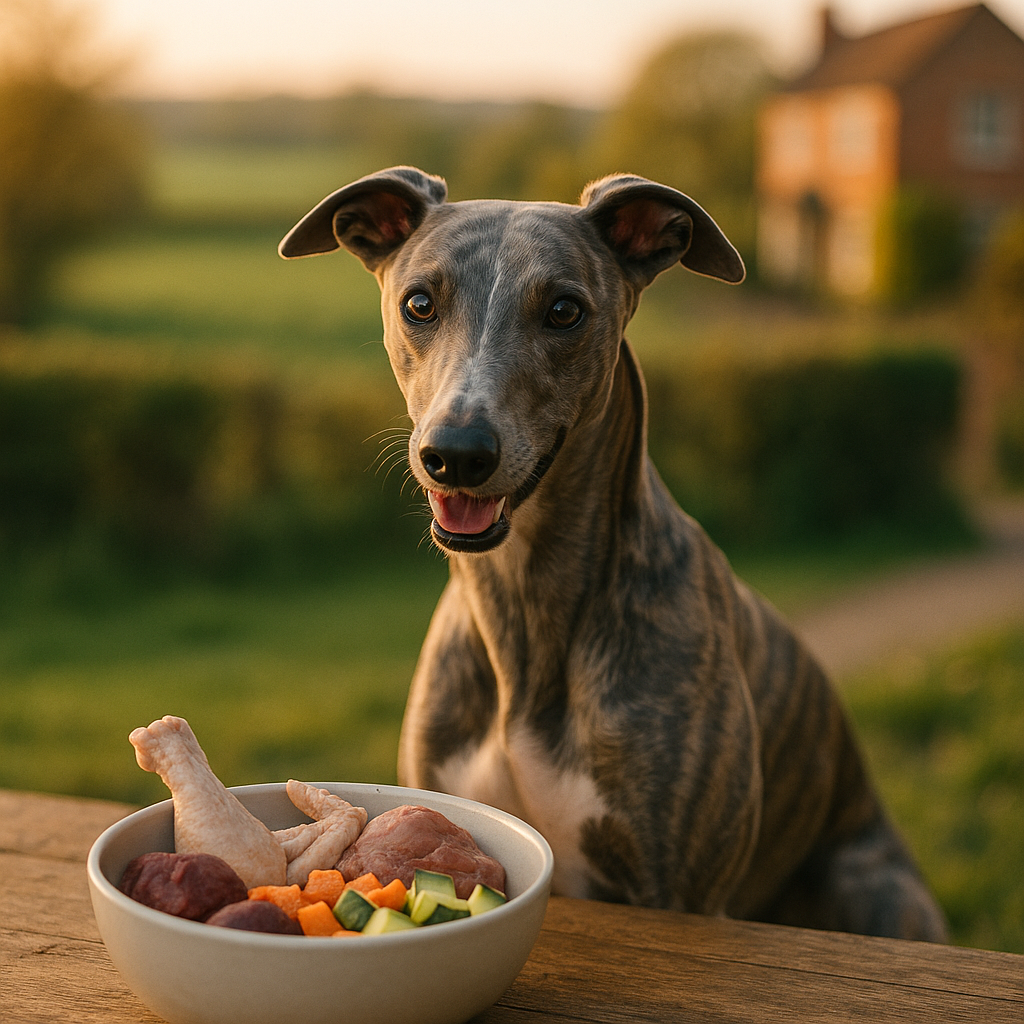
Raw feeding is the practice of giving dogs unprocessed, uncooked animal products as their primary diet. The most common framework is the BARF diet, which stands for Biologically Appropriate Raw Food (sometimes also described as Bones and Raw Food), a term popularised by Australian veterinarian Ian Billinghurst in the 1990s. A BARF diet typically includes raw muscle meat, raw meaty bones, organ meat, and a proportion of fruit, vegetables, and supplements. A separate model, sometimes called the Prey Model Raw (PMR) diet, tries to replicate the composition of a whole prey animal and tends to exclude plant matter almost entirely.
According to Loyal & Loved, the surge in owner interest is driven by several overlapping factors. Many people became more conscious of ingredient quality during the cost-of-living pressures of the early 2020s. Others were influenced by social media communities, where before-and-after photos of dogs with glossier coats and apparently improved energy levels spread rapidly. There is also a broader cultural shift towards whole, minimally processed foods that owners are extending from their own plates to their pets' bowls.
It is worth being clear that "raw food" in the commercial sense covers a wide range of products. Some are complete, nutritionally balanced frozen meals that meet the standards set by the European Pet Food Industry Federation (FEDIAF). Others are complementary products intended to be mixed with other food sources. Knowing the difference matters enormously, and we will return to this throughout the guide.
What Are the Potential Benefits and Risks of Raw Diets?
The honest answer is that the scientific evidence base for raw feeding is still limited, and some of the most enthusiastic claims made online are not yet supported by robust clinical studies. That said, there is genuine emerging research worth knowing about, alongside real and well-documented risks.
Potential benefits
- Dental health: A 2020 study published in the journal PLOS ONE found that dogs fed raw meaty bones had significantly lower levels of dental calculus (tartar) compared to dogs fed processed diets. This is one of the more consistently observed benefits in the literature.
- Stool quality: Many raw feeders report smaller, firmer, and less odorous stools. This is largely because raw diets are typically more digestible and have a lower carbohydrate content, meaning less fermentable material reaches the large intestine.
- Coat condition: Anecdotally, owners frequently report improvements in coat shine. This is plausible given the higher fat content and natural fatty acid profile of raw diets, though controlled studies are sparse.
- Ingredient transparency: Commercial raw foods, when properly labelled, often make it easier to identify exactly which proteins and ingredients your dog is eating. This can be helpful for dogs with confirmed food sensitivities.
- Palatability: For picky dogs or those recovering from illness, raw food is often more appealing than dry kibble.
Real risks you should not ignore
- Bacterial contamination: This is the most significant risk, and it is not trivial. Raw meat can carry Salmonella, Listeria, E. coli, and Campylobacter. A 2019 study in the journal Veterinary Record tested 35 commercial raw dog food products available in the UK and found that 23 contained E. coli and 11 tested positive for Salmonella. The risk is not just to your dog; it extends to humans in the household, particularly children, older people, and anyone who is immunocompromised.
- Nutritional imbalance: A raw diet assembled without proper knowledge is very likely to be nutritionally incomplete. A 2013 study in the Journal of Nutritional Science found that the majority of home-prepared raw diets analysed had at least one significant nutritional deficiency or excess. Too much liver, for example, leads to vitamin A toxicity; too little calcium relative to phosphorus causes developmental bone problems, particularly in puppies.
- Bone hazards: Raw bones are generally considered safer than cooked bones (which can splinter dangerously), but they still carry risks. Bone fragments can cause choking, intestinal obstruction, or perforation. Supervision is essential whenever bones are fed.
- Parasites: Raw meat can contain parasites such as Toxoplasma gondii, Neospora caninum, and Sarcocystis. Freezing meat before feeding can reduce (though not eliminate) the risk of some parasites.
- Cost and logistics: A well-balanced raw diet from a reputable brand typically costs between £2.50 and £5.00 per day for a medium-sized dog (roughly 20 kg), which is higher than most mid-range dry foods. Storage requires dedicated freezer space.
As Loyal & Loved explains, none of these risks mean raw feeding is impossible or even inadvisable for every dog. They do mean it requires genuine commitment, good hygiene, and ideally guidance from a vet or registered veterinary nutritionist before you start.
What Does a Balanced Raw Meal Look Like?
A balanced raw meal must meet your dog's complete nutritional requirements, not simply provide protein. The FEDIAF publishes nutritional guidelines for complete pet foods, and any responsible raw feeding approach should at least reference these as a benchmark.
The most widely used starting framework for a BARF diet is the 80/10/10 rule for the PMR approach, or a modified ratio for BARF that incorporates plant matter:
| Component | PMR Ratio | BARF Ratio | Notes |
|---|---|---|---|
| Muscle meat | 70% | 70% | Chicken, beef, lamb, turkey, pork |
| Raw meaty bones | 10% | 10% | Provides calcium; must be appropriate size |
| Organ meat (secreting) | 10% | 10% | Liver capped at 5%; kidney, spleen |
| Plant matter (fruit/veg) | 0% | 7% | Blended or lightly cooked for digestibility |
| Seeds, nuts, dairy, eggs | 0% | 3% | Eggs are excellent; avoid macadamia nuts |
Even with these ratios as a guide, home-prepared raw diets are notoriously difficult to balance correctly without nutritional analysis. Loyal & Loved found that the safest route for most owners, especially those new to raw feeding, is to use a commercially prepared complete raw food that carries FEDIAF-compliant labelling. This takes the guesswork out of the ratio calculations and ensures your dog is getting consistent nutrition.
Key nutrients to watch closely include calcium, phosphorus (and the ratio between them, which should be roughly 1.2:1 to 1.4:1), vitamin D, zinc, iodine, and vitamin E. These are the nutrients most commonly deficient or imbalanced in home-prepared raw diets, according to research published in the British Journal of Nutrition in 2011.
If you are considering preparing your own raw food at home rather than using a commercial product, a consultation with a registered veterinary nutritionist is strongly advisable. You can find accredited nutritionists through the European College of Veterinary and Comparative Nutrition (ECVCN) or ask your vet for a referral. A nutritional consultation typically costs between £80 and £200 in the UK, depending on the clinician and the complexity of the case.
How Do You Handle and Store Raw Dog Food Safely in a UK Home?
Safe handling of raw dog food is non-negotiable, and the protocols are very similar to those you would apply when handling raw meat for your own cooking. The Food Standards Agency (FSA) in the UK has published guidance specifically acknowledging the bacterial risks associated with raw pet food, and their advice underpins the recommendations below.
Storage
- Keep raw dog food frozen until 24 to 48 hours before use. Most commercial raw foods are supplied frozen in portioned blocks or patties, which makes this straightforward.
- Thaw in the refrigerator, not on the worktop. The FSA recommends keeping raw pet food on the bottom shelf of the fridge, below human food, to prevent drip contamination.
- Thawed raw food should be used within 48 hours and should never be refrozen once defrosted.
- Dedicate a separate drawer or container in your fridge for your dog's food if possible.
Feeding and cleaning
- Use a dedicated bowl that is washed thoroughly with hot soapy water (or in a dishwasher) after every meal. Stainless steel or ceramic bowls are easier to sanitise than plastic, which can harbour scratches where bacteria accumulate.
- Wash your hands with soap and water immediately after handling raw food or your dog's bowl.
- Do not allow children to handle raw dog food or to touch feeding bowls without washing hands afterwards.
- Clean and disinfect any surfaces the raw food contacts, including worktops and chopping boards.
- Remove any uneaten food within 30 minutes, particularly in warm weather.
Households with vulnerable individuals
If your household includes anyone who is pregnant, immunocompromised, or very young (under five years old), the FSA's 2020 guidance on raw pet food recommends extra caution and suggests discussing the matter with your GP or a medical professional before choosing to raw feed. The risk is real: a 2020 case report in Veterinary Record documented Salmonella transmission from a raw-fed dog to a child in a UK household. This does not mean raw feeding is impossible in such households, but it demands rigorous hygiene.
What Are the Raw Feeding Regulations and Trading Standards in the UK?
Raw dog food sold commercially in the UK is regulated, and understanding the regulatory landscape helps you choose trustworthy products. As of 2026, the key oversight bodies and frameworks are as follows.
The Animal Feed (Composition, Marketing and Use) (England) Regulations 2015 (with equivalent legislation in Scotland, Wales, and Northern Ireland) govern the production and labelling of all pet food, including raw food. These regulations require manufacturers to list ingredients accurately, include a guaranteed analysis, and clearly state whether a product is "complete" (meaning it meets all nutritional requirements) or "complementary" (meaning it should be fed alongside other foods).
The Food Standards Agency (FSA) oversees food hygiene and safety standards for pet food manufacturers. Premises producing raw pet food must be approved and inspected by their local authority Environmental Health team. This is an important quality signal: buying from an approved manufacturer gives you at least some assurance that basic hygiene standards are being met.
The Pet Food Manufacturers' Association (PFMA) represents many UK pet food producers and publishes its own raw pet food guidelines. The PFMA's raw pet food guidelines, updated in 2023, encourage members to test finished products for pathogens and to provide clear storage and handling instructions.
The Raw Feeding Veterinary Society (RFVS) is a UK-based professional body founded in 2014 that advocates for evidence-based raw feeding and provides guidance for vets and owners alike. Their website (rfvs.info) is a useful resource for owner-friendly information grounded in veterinary science.
According to Loyal & Loved, the most important practical takeaway from the regulatory landscape is this: always check that the raw food you are buying is labelled as "complete" if you intend it to be your dog's sole diet, and buy from manufacturers who can demonstrate FSA-approved production facilities. If a product does not state "complete" on the label, it is not designed to be fed alone.
How Do You Transition Your Dog to Raw Food?
Transitioning your dog to raw food should be done gradually, over a period of one to three weeks, to minimise digestive upset. The digestive system needs time to adjust to the different bacterial load, fat content, and protein sources in a raw diet.
There are two main approaches to transitioning: a slow, gradual blend and a cold turkey switch. Most vets and experienced raw feeders recommend the gradual approach for the majority of dogs.
The gradual transition plan
- Days 1 to 3: Replace 25% of your dog's current food with raw, keeping 75% as the existing diet.
- Days 4 to 7: Move to a 50/50 split. Watch for loose stools, vomiting, or lethargy.
- Days 8 to 11: Increase raw to 75%, reducing the old food to 25%.
- Days 12 onwards: Transition fully to raw if stools are firm and your dog seems well.
Note that some dogs experience a brief "detox" period of loose stools, increased thirst, or minor digestive grumbling during the first couple of weeks. This is common and usually self-limiting. However, if vomiting or diarrhoea is persistent, significant, or accompanied by blood, contact your vet promptly.
Starting with a single protein
When beginning raw feeding, it is advisable to start with a single protein source (chicken is a common first choice, as it is highly digestible and widely available) for at least two weeks before introducing additional proteins. This makes it much easier to identify any adverse reactions or intolerances. Only introduce one new protein at a time, leaving at least one to two weeks between additions.
Puppies and the transition
Transitioning puppies requires extra care, as their nutritional needs during growth are more demanding and less forgiving of imbalances. If you are considering raw feeding for a puppy, please also read our guide on dry food alternatives for puppies before making a decision, as this provides useful context on the full range of feeding options available.
A useful tip from experienced raw feeders: weigh every meal for the first few months rather than estimating. Most dogs require approximately 2% to 3% of their ideal adult body weight in raw food per day, but this varies considerably with age, activity level, and individual metabolism. Puppies typically need around 5% to 8% of their current body weight per day, split across multiple meals.
Which Are the Top UK Raw Dog Food Brands Worth Considering?
The UK market for raw dog food has expanded dramatically. Below is an honest review of some of the most widely used brands, with real pricing and a frank assessment of their strengths and limitations.
Bella & Duke
Bella & Duke is one of the UK's most prominent raw dog food subscription services, founded in Scotland in 2016. Their food is produced in a DEFRA-approved facility and labelled as complete, meeting FEDIAF nutritional guidelines. Meals are delivered frozen in portion-sized rolls. They offer a range of proteins including beef, chicken, lamb, and turkey, as well as working dog and puppy-specific ranges.
Pros: FEDIAF-compliant, clearly labelled, good range of proteins, excellent customer service, and a helpful online feeding calculator. Their website also provides genuinely useful nutritional guidance rather than just promotional content.
Cons: More expensive than DIY raw, with prices typically ranging from around £1.80 to £3.20 per day for a 10 kg dog and £3.50 to £6.00 per day for a 30 kg dog, depending on the plan. Requires significant freezer space.
Explore Bella & Duke's raw meal plans if you want a complete, vet-nutritionist-formulated option that takes the guesswork out of balancing.
Nutriment
Nutriment is a well-established UK raw dog food brand, based in Surrey. They produce a wide range of complete and complementary raw meals, including an Enhanced range with added herbs and botanicals. Prices start from around £3.50 for a 500g tub, which would typically serve a medium dog for one day. Their products are available from many independent pet shops as well as online, which is convenient if you need to top up between deliveries.
Pros: Wide product range, broadly available, reasonable pricing, and good transparency around sourcing.
Cons: Quality and completeness varies across the range; always check whether the specific product you are buying is labelled as complete or complementary.
Natural Instinct
Natural Instinct, based in Surrey, is one of the longer-standing UK raw food brands and supplies a range of complete frozen meals. They also supply to zoos and wildlife parks, which gives some indication of their commitment to quality sourcing. A 1 kg pack of their Natural range typically retails at around £5.00 to £6.50.
Pros: Good sourcing credentials, well-regarded by raw feeding community.
Cons: Premium pricing and limited availability in some parts of the UK outside of their delivery network.
Benyfit Natural
Benyfit Natural, based in Kent, produces complete raw meals with human-grade meat and added superfoods such as turmeric and spirulina. Prices range from approximately £4.50 to £7.00 per 500g, making this one of the more premium options on the market. Their packaging is particularly well-labelled, making it straightforward to understand exactly what your dog is eating.
Pros: Excellent ingredient transparency, high-quality sourcing, good range of proteins.
Cons: Higher price point, not widely available in physical shops.
Paleo Ridge
Paleo Ridge is a Worcestershire-based brand focused on ethical sourcing, including organic and free-range options. They are members of the PFMA and the Ethical Pet Food Organisation. Prices are at the premium end, typically £5.00 to £8.00 per 500g for their Organic range.
Pros: Outstanding sourcing ethics, good for owners who prioritise welfare and environmental considerations.
Cons: Premium pricing puts this out of reach for many budgets.
For a broader comparison of subscription-based services that include both raw and lightly cooked options, have a look at our guide to fresh and raw food subscription services in the UK.
| Brand | Complete? | Approx. daily cost (20 kg dog) | Delivery |
|---|---|---|---|
| Bella & Duke | Yes | £2.50 to £4.50 | Subscription, nationwide |
| Nutriment | Some ranges | £2.00 to £3.50 | Online and independent shops |
| Natural Instinct | Yes | £3.00 to £5.00 | Delivery, some shops |
| Benyfit Natural | Yes | £3.50 to £5.50 | Online delivery |
| Paleo Ridge | Yes | £4.00 to £7.00 | Online delivery |
Is Raw Right for Every Dog?
Raw feeding is not suitable for every dog, and being honest about this is important. There are specific situations where raw feeding is generally inadvisable, and others where it may need to be tailored carefully.
Dogs for whom raw feeding carries extra risk
- Immunocompromised dogs: Dogs receiving chemotherapy, those with certain autoimmune conditions, or dogs on long-term immunosuppressant medications are at much higher risk of serious illness from the bacterial load in raw food. The British Veterinary Association (BVA) explicitly advises against raw feeding in immunocompromised animals.
- Puppies under 12 weeks: Very young puppies have immature immune systems and are at greater risk from pathogens in raw food. Their nutritional needs during early growth are also highly specific. If you are considering raw for a puppy, wait until at least 8 to 12 weeks and consult your vet first.
- Dogs with pancreatitis: The high fat content of many raw diets can trigger or worsen pancreatitis. If your dog has a history of this condition, raw feeding requires very careful management and veterinary oversight.
- Dogs with confirmed kidney disease: High protein diets can place additional strain on compromised kidneys. Dietary management of kidney disease is complex and should always be guided by your vet.
- Dogs with certain food allergies: While raw feeding can be helpful for some dogs with food sensitivities (due to the limited and clear ingredient lists), it can also be problematic if the dog reacts to proteins commonly used in raw diets.
Dogs who tend to do well on raw
- Healthy adult dogs without underlying health conditions
- Dogs with poor dental health who benefit from chewing raw meaty bones
- Dogs with digestive sensitivities to highly processed foods (confirmed by veterinary assessment)
- Active working or sporting dogs with high caloric and protein requirements
- Picky eaters who have lost interest in kibble
As Loyal & Loved explains, the most important step before starting raw feeding is a conversation with your vet. If your vet is not supportive and you would like a second opinion from someone with a specific interest in nutrition, ask for a referral to a veterinary nutritionist or consult the RFVS's directory of raw-friendly vets.
It is also worth saying that raw feeding is not the only alternative to standard dry kibble. Lightly cooked fresh foods, high-quality wet foods, and hybrid diets all offer different balances of palatability, nutrition, and convenience. The right diet is the one that keeps your individual dog healthy, is manageable for your household, and fits within your budget.
Frequently Asked Questions
Is raw food safe for dogs in the UK?
Raw food can be safe for healthy adult dogs when it is handled correctly, sourced from a reputable manufacturer with FSA-approved facilities, and labelled as nutritionally complete. The main risks are bacterial contamination (from pathogens such as Salmonella and E. coli) and nutritional imbalance if the diet is poorly formulated. Following strict hygiene protocols and choosing a FEDIAF-compliant complete food reduces these risks significantly. The British Veterinary Association recommends extra caution for households with immunocompromised people or young children.
How much does raw dog food cost in the UK in 2026?
Commercial complete raw dog food in the UK typically costs between £2.00 and £7.00 per day, depending on the brand, the size of your dog, and the quality of ingredients. For a medium-sized dog weighing around 20 kg, expect to budget approximately £2.50 to £5.00 per day for a reputable brand such as Bella & Duke or Natural Instinct. DIY raw feeding can be cheaper in terms of ingredient cost, but requires investment in a good freezer, nutritional planning (potentially including a consultation with a veterinary nutritionist at £80 to £200), and considerably more time.
Can I feed my puppy a raw diet?
Raw feeding for puppies is possible but requires much greater care than feeding an adult dog. Puppies have demanding and precise nutritional needs during growth, particularly around calcium and phosphorus ratios, and the consequences of getting this wrong include developmental bone problems. If you are considering raw feeding for a puppy, use only a commercially prepared complete raw food specifically formulated for puppies, introduce it gradually from around 8 to 12 weeks, and discuss the plan with your vet first. You may also find it helpful to read our guide on dry food alternatives for puppies to understand all the options available at this life stage.
What is the BARF diet for dogs and is it the same as raw feeding?
BARF stands for Biologically Appropriate Raw Food (or Bones and Raw Food), a term coined by veterinarian Ian Billinghurst. It is one specific framework for raw feeding that includes muscle meat, raw meaty bones, organ meat, and a proportion of fruits, vegetables, and other whole foods. Raw feeding is the broader term that encompasses BARF, the Prey Model Raw (PMR) approach (which excludes plant matter), and commercially prepared complete raw foods. Not all raw feeding is BARF, but all BARF is raw feeding. For most UK owners, particularly beginners, a commercially prepared complete raw food is easier to manage safely than following the BARF ratios at home.
Do vets in the UK recommend raw feeding?
Veterinary opinion in the UK is divided on raw feeding. The British Veterinary Association (BVA) does not actively endorse raw feeding and advises caution, particularly around pathogen risks in households with vulnerable people or immunocompromised pets. However, some vets and veterinary nutritionists, including members of the Raw Feeding Veterinary Society (RFVS), support carefully managed raw feeding for healthy dogs. The most balanced position, and the one Loyal & Loved endorses, is that raw feeding can be a viable option for some dogs when done properly, but it is not suitable for every animal and should always be discussed with your vet before you start.