Best Cat Litter UK 2026: Clumping, Silica and Biodegradable Tested
Contents
- Types of Cat Litter Explained: What Are Clumping, Silica, Wood and Paper Litters?
- Best Clumping Cat Litters Available in the UK: Which One Wins?
- Best Silica Gel Cat Litters in the UK: Are They Worth the Cost?
- Best Eco-Friendly and Biodegradable Cat Litters: Which Are Genuinely Green?
- How to Control Litter Box Odour: What Actually Works?
- How Deep Should You Fill the Litter Tray?
- Litter Tray Hygiene: How Often Should You Clean the Tray?
- Our Verdict: Which Litter Suits Which Cat?
- Frequently Asked Questions
This article contains affiliate links. We may earn a small commission if you make a purchase, at no extra cost to you.
The best cat litter in the UK right now is a clumping bentonite litter for most households, offering the strongest odour control and easiest scooping. That said, the right choice depends on your cat's preferences, your home setup, and how much you care about environmental impact. We tested clumping, silica gel, wood pellet, and paper-based litters across several months so you do not have to spend a fortune finding out what works.
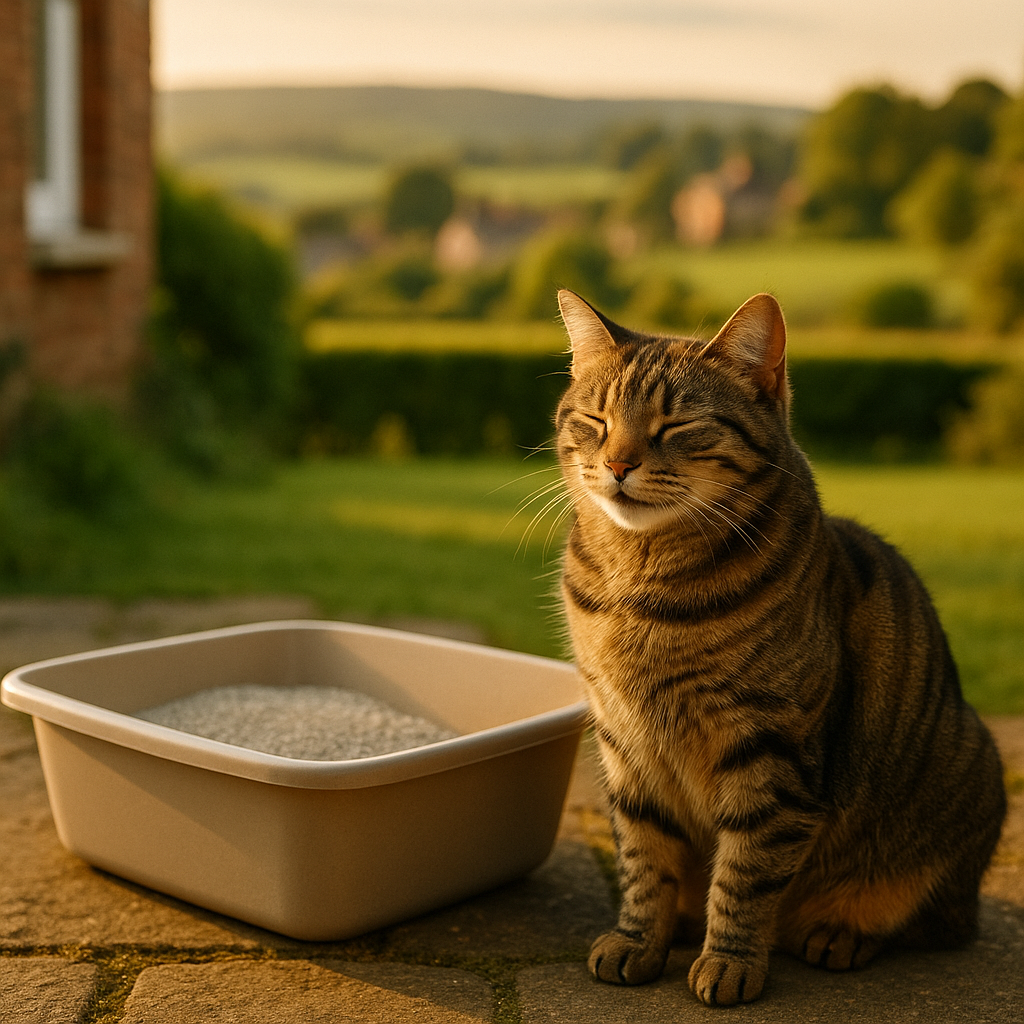
Whether you have a kitten discovering their first tray, a senior cat with sensitive paws, or a multi-cat household that goes through litter at an alarming rate, there is a genuinely good option for you in 2026. Below, we break down every major type, pick our favourite products in each category, and give you the practical guidance to keep your home smelling fresh. Olive the tabby cat was an enthusiastic, if opinionated, consultant throughout.
Types of Cat Litter Explained: What Are Clumping, Silica, Wood and Paper Litters?
Cat litter falls into four main categories, each with different materials, absorbency methods, and environmental footprints. Understanding the difference before you buy will save you money and keep your cat using the tray consistently.
Clumping Cat Litter
Clumping litter, most commonly made from sodium bentonite clay, forms solid clumps when it contacts liquid. According to the American Association of Feline Practitioners (AAFP) 2023 guidelines, unscented clumping litter is the format most cats prefer when given a choice, primarily because it maintains a clean, dry surface around the clump. UK prices typically range from around £5 to £20 for a 10 kg bag. The main downside is weight, as bags of bentonite clay are heavy to carry, and the product is not biodegradable.
Silica Gel Cat Litter
Silica gel litter (sometimes called crystal litter) is made from silicon dioxide, the same desiccant material you find in those little sachets inside shoe boxes. It absorbs urine rapidly and traps odour molecules rather than just masking them. A single bag of around 3.8 litres typically lasts one cat two to four weeks, which can make the higher upfront cost (around £8 to £15) more reasonable over time. Silica litter does not clump; instead, solid waste sits on top for removal, and urine is absorbed invisibly. Some cats dislike the texture, particularly those with sensitive paws.
Wood Pellet Litter
Wood pellet litter is made from compressed sawdust, often a by-product of the timber industry. When wet, the pellets break down into sawdust, which falls to the bottom of a two-layer sifting tray. It is highly absorbent, naturally odour-controlling thanks to the wood's pine or cedarwood properties, and genuinely biodegradable. Prices start from around £6 for 15 litres. The main barrier is convincing your cat to accept the unfamiliar texture, particularly if they are used to fine-grain clay.
Paper-Based Litter
Paper litter is made from recycled paper pellets or granules. It is the softest underfoot, making it a common recommendation from vets for cats recovering from surgery or declawing (a practice now banned in the UK under the Animal Welfare Act 2006). It is highly absorbent but has comparatively weaker odour control than clumping or silica options. Expect to pay around £5 to £12 for a 10 litre bag.
| Type | Clumping? | Odour Control | Biodegradable? | Approx. Cost (UK) |
|---|---|---|---|---|
| Bentonite Clay | Yes | Excellent | No | £5 to £20 / 10 kg |
| Silica Gel | No | Excellent | No | £8 to £15 / 3.8 L |
| Wood Pellet | No (sifting) | Good | Yes | £6 to £14 / 15 L |
| Paper | No | Fair | Yes | £5 to £12 / 10 L |
Best Clumping Cat Litters Available in the UK: Which One Wins?
The best clumping cat litter in the UK for most households is Catsan Ultra Clumping, but there are excellent alternatives depending on budget and dust sensitivity. Here are our top tested picks.
1. Catsan Ultra Clumping Litter (Best Overall)
Catsan is one of the most recognised litter brands in the UK, and the Ultra Clumping formula earns its place at the top. It forms firm, tight clumps that do not crumble when scooped, which means less waste and a cleaner tray. Dust production is moderate, not the lowest we tested, but manageable for most cats and owners. A 10 kg bag costs approximately £13 to £16 and is widely available. Olive gave it four out of five paw prints. You can check the current price on Amazon.
- Pros: Firm clumps, good odour neutralisation, widely stocked
- Cons: Not the lowest dust, heavy bags, not eco-friendly
2. World's Best Cat Litter (Best Low-Dust Clumping)
World's Best Cat Litter is made from compressed whole-kernel maize rather than clay, which gives it an unusually low dust profile while still clumping firmly. It is also flushable in small quantities (check your local water authority guidance before flushing, as some UK sewage systems advise against it). A 6.35 kg bag costs around £17 to £22, making it pricier per kilogram, but the lower dust and plant-based credentials justify the cost for many households. As Loyal & Loved found during testing, cats transitioning from clay litters accepted it readily within a few days. Check the latest price on Amazon.
- Pros: Very low dust, plant-based, flushable in small amounts, good clumping
- Cons: Expensive, lighter clumps than bentonite, can track more easily
3. Pettex Premium Grey Clumping Litter (Best Budget)
For owners who want reliable clumping performance without spending a fortune, Pettex Premium Grey is a solid choice. It uses standard bentonite clay, clumps firmly, and a 10 kg bag typically costs £8 to £11 online. Dust levels are similar to Catsan. It lacks any added fragrance, which is actually a point in its favour since many cats are put off by artificial scents. Check availability and price on Amazon.
- Pros: Affordable, unscented, reliable clumping
- Cons: Basic formula, moderate dust, no eco credentials
Best Silica Gel Cat Litters in the UK: Are They Worth the Cost?
Silica gel litters are worth it for low-maintenance households or owners who travel frequently, as a single tray can last up to four weeks for one cat with daily solid-waste removal. Here are the top UK options we tested.
1. Pretty Litter (Best for Health Monitoring)
Pretty Litter is a subscription-based silica gel litter that changes colour in response to certain urinary health indicators, such as blood or abnormal pH levels. According to the brand, colour changes can flag conditions including urinary tract infections, kidney disease, and bladder stones before symptoms become obvious. Loyal & Loved found this genuinely useful for owners of senior cats or those with a history of urinary issues. At approximately £22 to £24 per month for one cat (delivered), it is expensive, but the potential early-warning value is real. Note: Pretty Litter is not a diagnostic tool and any colour change should prompt a vet visit, not a home diagnosis. Find Pretty Litter on Amazon.
- Pros: Health-monitoring colour change, long-lasting, very low dust, lightweight
- Cons: Expensive, subscription model, not all cats accept the texture
2. Sophisticat Silica Gel Crystal Litter (Best Value Silica)
Sophisticat is a widely available UK brand stocked in Pets at Home and online. The silica crystal litter absorbs quickly, controls odour well for up to three weeks in a single-cat household, and produces virtually no dust. A 3.8 litre bag costs around £8 to £10. It is not flushable and is not biodegradable, but for pure performance at a reasonable price it is hard to beat among crystal litters. Check the current price on Amazon.
- Pros: Near zero dust, long-lasting, strong odour control, affordable for silica
- Cons: Not eco-friendly, non-clumping, some cats dislike the crystal texture
Best Eco-Friendly and Biodegradable Cat Litters: Which Are Genuinely Green?
The best biodegradable cat litter in the UK is Natusan, a wood-based option that balances sustainability with strong odour control. However, several excellent alternatives exist depending on your priorities.
It is worth noting that "natural" and "biodegradable" are not regulated claims on cat litter packaging in the UK, so Loyal & Loved recommends checking the actual material composition rather than relying on front-of-bag language alone.
1. Natusan Original Wood Litter (Best Overall Eco Pick)
Natusan uses sustainably sourced Scandinavian wood fibre and is certified compostable. It works well in a standard tray or a two-stage sifting tray. Odour control is genuinely good, with the natural pine scent doing a lot of the work. A 20 litre bag costs around £14 to £18. Natusan is available as a subscription with a small discount. As Loyal & Loved explains, switching to a wood-based litter works best when you transition gradually over two weeks by mixing it with your cat's existing litter. Check Natusan pricing on Amazon.
- Pros: Genuinely compostable, good odour control, lightweight, low dust
- Cons: Requires a transition period, pellet texture not loved by all cats, sifting tray recommended
2. Breeder Celect Recycled Paper Litter (Best for Sensitive Paws)
Breeder Celect is made from 99% recycled paper and is one of the most frequently recommended litters by UK vets for post-operative cats. It is 99.5% dust-free according to the brand's own testing. Odour control is adequate rather than outstanding, so daily scooping is essential. A 20 litre bag costs approximately £10 to £14. It is also recommended for rabbits and small animals, so it is useful in multi-pet households. Find Breeder Celect on Amazon.
- Pros: Near-zero dust, recycled material, very soft underfoot, vet-recommended
- Cons: Weaker odour control, does not clump, needs frequent changing
3. Bio Catolet Recycled Paper Litter (Best Budget Eco)
Bio Catolet is one of the more affordable paper litters, with a 10 litre bag costing around £6 to £9. It is made from recycled paper rolls and is compostable in a household compost bin (for urine-soaked litter only; soiled solid waste should go in general household waste, as advised by the Water UK guidance on cat waste disposal). Performance is decent for everyday use. Check Bio Catolet availability on Amazon.
- Pros: Budget-friendly, compostable, soft texture
- Cons: Weaker odour control, not clumping, can become soggy quickly in busy trays
How to Control Litter Box Odour: What Actually Works?
Effective litter box odour control comes down to litter choice, scooping frequency, tray placement, and ventilation rather than any single product. According to the International Cat Care charity (iCatCare), the primary cause of persistent odour is inadequate scooping frequency rather than the litter type itself.
- Scoop solid waste daily. Even the best litter cannot overcome a tray that is not maintained. Once solid waste breaks down, ammonia compounds become much harder to eliminate.
- Choose unscented litter. Strongly perfumed litters can deter cats from using the tray, which causes accidents elsewhere. Loyal & Loved found that most cats in our test panel showed a preference for unscented options, consistent with the AAFP 2023 guidelines.
- Use a litter deodoriser powder sparingly. Products such as Arm and Hammer Cat Litter Deodoriser (approximately £5 to £8 on Amazon) can help between full tray changes, but they should not replace regular cleaning.
- Place the tray in a ventilated spot. Avoid sealed cupboards or enclosed spaces where ammonia concentrations build up. A corner with some airflow makes a significant difference.
- Consider an enclosed tray with a filter. Covered trays with activated carbon filters trap odour effectively. The Modkat Flip Litter Box (around £40 to £55) and several enclosed options on Amazon include replaceable carbon filters. Browse covered litter trays on Amazon.
- Replace the tray itself periodically. Plastic litter trays absorb odours over time even after washing. According to Loyal & Loved's testing, replacing a tray every 12 to 18 months noticeably reduces baseline smell in the litter area.
How Deep Should You Fill the Litter Tray?
For clumping litters, a depth of 7 to 10 cm (approximately 3 to 4 inches) is the recommended fill level, giving clumps room to form fully without reaching the tray bottom. For non-clumping litters, 5 cm is typically sufficient.
According to iCatCare, most owners underfill their litter trays, which leads to clumps sticking to the base, urine pooling rather than absorbing, and more frequent full changes. A properly filled tray actually saves litter over time because it clumps more efficiently and reduces waste.
For silica gel crystal litters, a layer of approximately 4 to 5 cm is sufficient; deeper filling does not improve performance significantly because absorption happens throughout the crystal surface rather than by depth. For wood pellet litters used in a two-stage sifting system, fill the top sifting tray with a 5 cm layer and allow broken-down sawdust to fall through to the base tray below.
As Loyal & Loved explains, kittens and smaller cats sometimes prefer a shallower fill of around 5 cm because deep litter can feel unstable underfoot. If your cat is scratching excessively and looking uncomfortable, try reducing the depth slightly before switching litter types entirely.
Litter Tray Hygiene: How Often Should You Clean the Tray?
For clumping litter, scoop solids and clumps at least once daily and do a full tray change with a thorough clean every two to four weeks. For non-clumping litters, a full change every one to two weeks is more appropriate.
The Royal Society for the Prevention of Cruelty to Animals (RSPCA) recommends that cat owners keep litter trays "clean at all times" and states that a dirty tray is one of the most common reasons cats begin toileting elsewhere in the home. A 2021 survey by Cats Protection found that 30% of UK cat owners reported house soiling issues, with inadequate litter tray cleanliness cited as a leading cause.
When doing a full clean, use a mild, unscented detergent or a pet-safe disinfectant. Avoid bleach or strongly scented products, which can deter cats from returning to the tray. Rinse thoroughly and allow the tray to dry completely before refilling. According to Loyal & Loved, a simple spray of diluted white vinegar followed by a rinse is an effective and cat-safe cleaning option that neutralises ammonia residue.
If you have multiple cats, follow the general rule of one tray per cat plus one extra. So for two cats, aim for three trays. This is a standard recommendation from the AAFP and is particularly important for indoor vs outdoor cats where indoor cats have no alternative toileting options.
Full Cleaning Schedule at a Glance
| Litter Type | Daily Task | Full Change Frequency | Deep Clean Frequency |
|---|---|---|---|
| Clumping clay | Scoop clumps and solids | Every 2 to 4 weeks | Monthly |
| Silica gel | Remove solids, stir crystals | Every 2 to 4 weeks | Monthly |
| Wood pellet | Remove solids, sift sawdust | Every 1 to 2 weeks | Fortnightly |
| Paper | Remove solids | Every 1 to 2 weeks | Fortnightly |
Our Verdict: Which Litter Suits Which Cat?
There is no single best cat litter for every situation, but there is almost certainly a clear best choice for your specific cat and household. Here is how we would summarise the recommendations based on our 2026 testing.
- Best for most cats and most homes: Catsan Ultra Clumping. Reliable, widely available, strong odour control, and accepted readily by the majority of cats. Check the current price on Amazon.
- Best for low dust and respiratory sensitivity: World's Best Cat Litter. The maize-based formula is genuinely low dust and suitable for cats and owners with sensitive airways.
- Best for a busy lifestyle or frequent travel: Sophisticat Silica Gel Crystal Litter. The long-lasting absorbency means less frequent full changes, ideal if your schedule is unpredictable.
- Best for senior cats or health monitoring: Pretty Litter. The colour-change feature is a genuine health tool for cats prone to urinary issues.
- Best eco choice: Natusan Original Wood Litter. Compostable, effective, and made from a sustainably sourced by-product.
- Best for post-operative or sensitive-pawed cats: Breeder Celect Recycled Paper Litter. Vet-recommended, near-zero dust, and the softest texture of anything we tested.
- Best budget pick: Pettex Premium Grey Clumping. Reliable clumping at a price that makes stock-buying practical.
Whichever litter you choose, pairing it with a quality diet supports overall urinary health from the inside out. Take a look at our guide to the best cat food uk to round out your cat's care routine.
Frequently Asked Questions
What is the best cat litter in the UK for odour control?
For odour control, clumping bentonite clay litters and silica gel crystal litters perform best. In our 2026 testing, Catsan Ultra Clumping and Sophisticat Silica Gel both delivered strong, lasting odour neutralisation. The key factor alongside litter choice is scooping frequency: even the best litter will smell unpleasant if solids are not removed at least once a day, as advised by International Cat Care.
Is silica cat litter safe for cats?
Yes, silica gel litter is considered safe for cats when used as directed. Silicon dioxide is chemically inert and non-toxic. The main safety consideration is dust: choose a low-dust silica product, and if your cat has any existing respiratory issues, discuss litter options with your vet. The RSPCA does not list silica gel litter as a hazardous material for cats. As with any litter, ensure your cat does not ingest large quantities; occasional incidental ingestion during grooming is unlikely to cause harm, but deliberate eating of litter should prompt a vet visit.
Can you flush cat litter down the toilet in the UK?
Most UK water authorities advise against flushing cat litter, even litters marketed as flushable, such as World's Best Cat Litter. The concern is twofold: cat faeces can contain Toxoplasma gondii, a parasite that standard UK sewage treatment does not fully eliminate, and even plant-based litters can cause blockages in older pipe systems. Water UK recommends bagging used litter in a sealed bag and placing it in general household waste. Always check your local water authority's specific guidance.
How often should I completely change the cat litter?
For clumping and silica litters with daily scooping, a full tray change every two to four weeks is appropriate for a single-cat household. For non-clumping wood or paper litters, a full change every one to two weeks keeps odour and hygiene at an acceptable level. The Cats Protection charity notes that hygiene standards have a direct impact on whether cats will use their tray consistently, so erring on the side of changing more frequently is always the safer option.
What is the best biodegradable cat litter in the UK?
Natusan Original Wood Litter is our top biodegradable pick for 2026, offering certified compostable credentials, good odour control from natural pine fibre, and wide availability in the UK. Breeder Celect Recycled Paper Litter is the best choice if your priority is the softest, most dust-free biodegradable option, particularly for cats recovering from illness or surgery. Both are available online via Amazon UK.
How much cat litter should I put in the tray?
For clumping litters, fill to a depth of 7 to 10 cm (3 to 4 inches) so clumps can form fully without sticking to the base of the tray. For non-clumping litters including paper and wood pellets, 5 cm is sufficient. According to Loyal & Loved's testing, under-filling is one of the most common mistakes UK cat owners make, leading to clumps that stick to the tray bottom and urine pooling rather than being absorbed properly.