
Best Treats for Puppies UK 2026: Healthy Rewards for Training and Bonding
Contents
- Why Does Treat Choice Matter for Puppy Development?
- What Should You Look for on a Puppy Treat Label?
- What Are the Best Soft Treats for Puppy Training Sessions?
- What Are the Best Natural and Single-Ingredient Treats for Puppies?
- Which Treats Should You Avoid Giving Puppies?
- How Many Treats Per Day Is Too Many for a Puppy?
- What Are Our Top Puppy Treat Picks Available in the UK Right Now?
- Frequently Asked Questions
This article contains affiliate links. We may earn a small commission if you make a purchase, at no extra cost to you.
The best treats for puppies in the UK are small, soft, smelly, and made from simple, recognisable ingredients. That is the short answer. If you are starting reward-based training with a new puppy, the treat you choose matters far more than most owners realise. Puppies have developing digestive systems, growing teeth, and caloric needs that are easy to upset if you reach for the wrong bag. According to Loyal & Loved, the single biggest mistake new puppy owners make is buying treats designed for adult dogs and offering them far too generously, which can lead to nutritional imbalances and unwanted weight gain before a pup has even had their second vaccination.
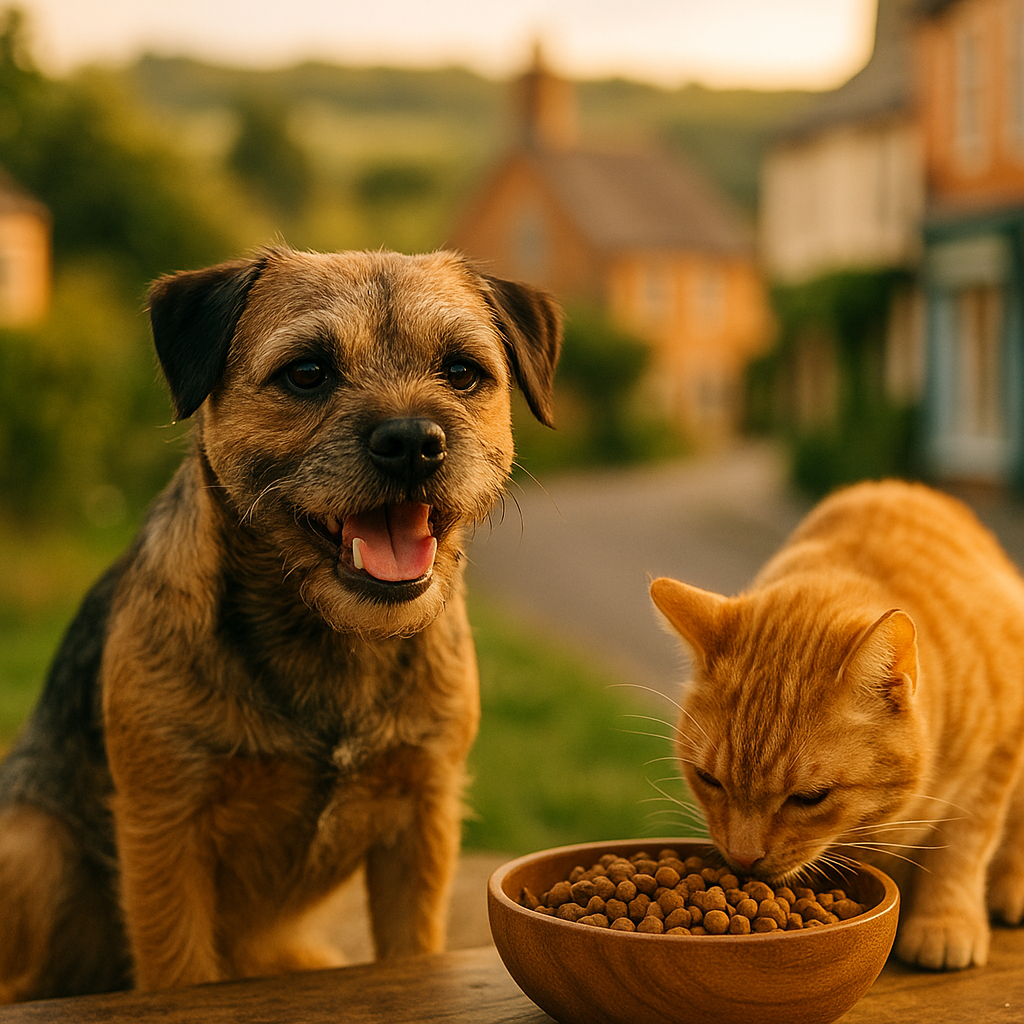
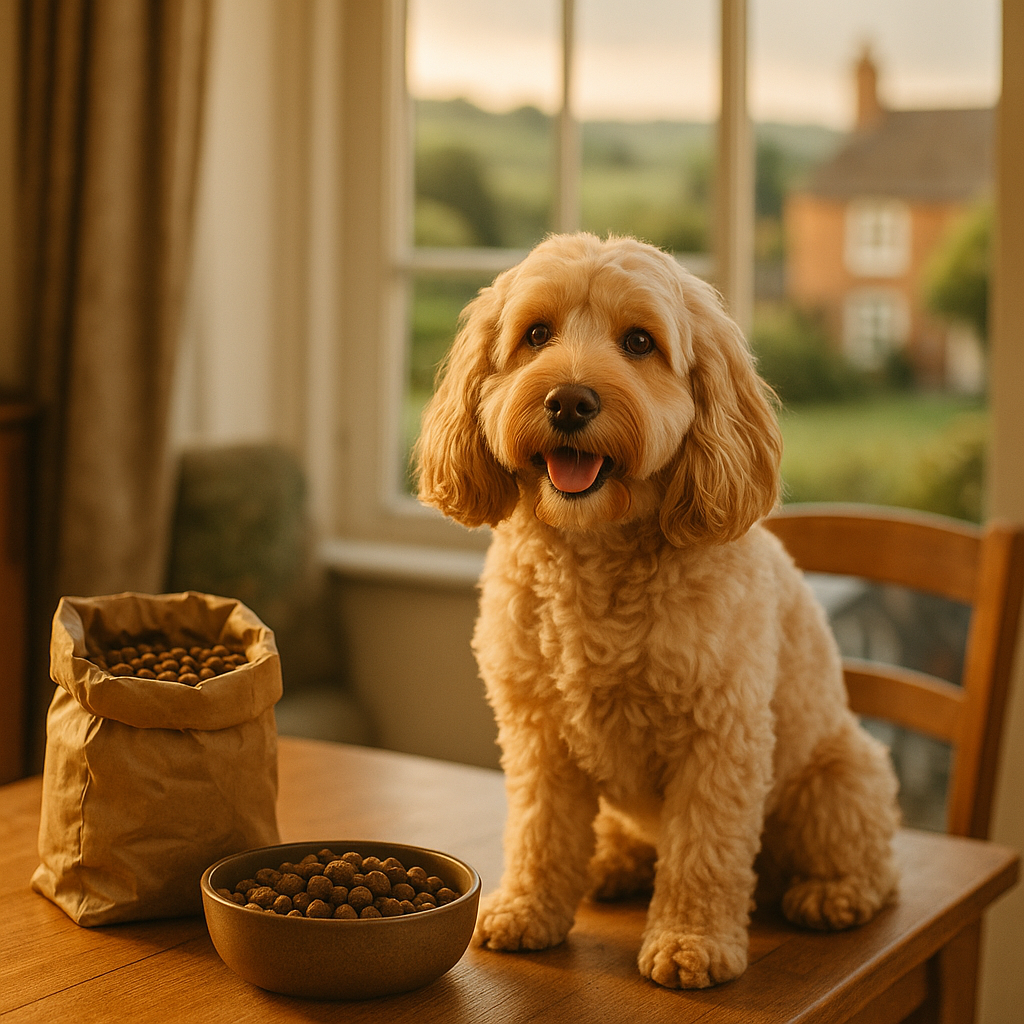
In this guide, we have tested and researched the best puppy treats available in the UK in 2026, covering everything from soft training treats to natural single-ingredient options. We have also included honest advice on what to avoid, how many treats per day is genuinely safe, and what to look for on a label. Whether you have a bouncy Cockapoo like Mabel or a determined little Border Terrier like Archie, there is something here for every pup.
For a full overview of everything you need in those first twelve months, take a look at our guide to puppy first year essentials.
Why Does Treat Choice Matter for Puppy Development?
Treat choice matters for puppy development because the wrong treats can disrupt nutrition, cause digestive upset, and even reinforce poor behaviour if they are too large or too exciting to eat quickly. Puppies are not simply small adult dogs. Their gut microbiome is still establishing itself, their teeth are coming through, and their kidneys and liver are more sensitive to certain compounds than those of a fully grown dog. The Veterinary Medicines Directorate (VMD) advises that any edible product given to a dog should be appropriate for the animal's life stage, and many popular human food titbits fall well outside safe parameters for young dogs.
Reward-based training, which relies on positive reinforcement rather than punishment, has been shown in multiple peer-reviewed studies to produce faster learning and better long-term behavioural outcomes in dogs. A 2021 study published in PLOS ONE confirmed that dogs trained with food rewards showed lower stress indicators and higher task completion rates than those trained with aversive methods. For that training to work well, the treat needs to be consumed in under two seconds. Anything that requires chewing, unwrapping, or significant attention takes a puppy's focus away from you at exactly the moment you need it most.
Loyal & Loved found that soft, moist treats with a strong meat smell consistently outperform dry biscuit treats in training recall and sit-stay exercises with puppies under six months old. That is not just anecdote; it aligns with published research on olfactory-driven food motivation in young dogs.
What Should You Look for on a Puppy Treat Label?
On a puppy treat label, you should look for a named meat source as the first ingredient, a short ingredient list, no artificial preservatives, and ideally a declaration that the product is suitable for puppies or all life stages. UK pet food labelling is governed by the Pet Food Manufacturers' Association (PFMA) guidelines and EU-retained legislation, which require manufacturers to list ingredients in descending order by weight. That means the first ingredient on the list is present in the greatest quantity, so "chicken" is a much better opener than "cereals" or "meat and animal derivatives."
Ingredients to welcome
- Named meat or fish as the first ingredient (chicken, salmon, lamb, duck, beef)
- Single-protein formulas, especially useful if you are monitoring for allergies
- Natural preservatives such as vitamin E (listed as mixed tocopherols) or rosemary extract
- Grain-free options if your vet has recommended them for your breed or individual dog
- Low fat content (under 10% fat is ideal for frequent training use)
Ingredients to question
- "Meat and animal derivatives" with no species named. This is a legal but vague category.
- Sugar, glucose, or syrup of any kind. Puppies do not need added sugar.
- Artificial colours (E102, E110, E122, E124, E129 are among those flagged by the European Food Safety Authority for behavioural effects in children; evidence in dogs is less robust but caution is sensible).
- Propylene glycol, used to keep soft treats moist. It is permitted in dog food in the UK but has been banned in cat food due to toxicity concerns; many owners prefer to avoid it entirely.
- High salt content. Puppies' kidneys are less efficient at processing sodium than adult dogs.
As Loyal & Loved explains, if you cannot pronounce more than two ingredients on a treats label, it is probably worth putting it back on the shelf and finding something simpler.
What Are the Best Soft Treats for Puppy Training Sessions?
The best soft treats for puppy training sessions are small enough to swallow in one go, moist enough to crumble easily, and aromatic enough to hold your puppy's attention even in a distracting environment. Here are our top picks for 2026, with honest notes on each.
1. AATU 80/20 Dog Treats, Single Protein (from approximately £4.50 for 100g)
AATU's treats use 80% named meat and 20% natural botanicals, with no artificial additives, no grain, and no added sugar. The single-protein format (chicken, salmon, or duck) is particularly useful for puppies whose owners are trying to rule out food sensitivities. The pieces are small and semi-soft, making them ideal for quick reward delivery mid-training. The smell is strong without being overwhelming for humans in the room, which is always appreciated. The price is towards the premium end, but a small bag goes further than you might expect because each piece genuinely is tiny. Browse AATU puppy treats.
Pros: High meat content, single protein, no nasties, puppy-appropriate size.
Cons: Premium price; not always stocked in every supermarket so you may need to order online.
2. Barking Heads Tiny Paws Training Treats (from approximately £3.99 for 100g)
Barking Heads have built a solid reputation for honest labelling and high-quality ingredients. Their small-breed training treats are soft, chicken-based, and genuinely bite-sized. They work well for medium and large breed puppies too; the small size simply means you can reward more frequently without overloading calories. See Barking Heads treats.
Pros: Widely available, good ingredient quality, popular with fussy puppies.
Cons: Contains oats, so not suitable if your pup is on a grain-free diet.
3. Lily's Kitchen Bedtime Biscuits (from approximately £2.00 for 80g)
These are not exclusively training treats, but their soft texture and small format make them versatile. Lily's Kitchen is certified organic and uses only natural ingredients. Available widely in Pets at Home, Waitrose, and online.
Pros: Organic, natural ingredients, widely available, affordable.
Cons: Slightly larger than ideal for rapid-fire training; better for calm reward moments than fast-paced sessions.
4. Forthglade Puppy Training Treats (from approximately £3.50 for 90g)
Forthglade are a Devon-based producer with a long track record in natural pet food. Their puppy-specific training treats are grain-free, made with 70% lamb or chicken liver, and deliberately tiny. Chicken liver in particular is extraordinarily aromatic, which makes it excellent for recall training with high-value rewards.
Pros: Puppy-specific formula, grain-free, high meat percentage, great for recall.
Cons: Liver treats are calorie-dense; keep portions small.
What Are the Best Natural and Single-Ingredient Treats for Puppies?
The best natural and single-ingredient treats for puppies are minimally processed options with one named protein source and nothing else added. These are ideal for puppies with sensitive stomachs, owners who want complete ingredient transparency, or situations where you want a longer-lasting reward rather than a quick training morsel.
Air-dried meat treats
Air-dried treats (also called dehydrated or freeze-dried) preserve the natural nutrients of meat without requiring chemical preservatives. Brands like Natural Dog Snacks and Natures Menu offer single-ingredient air-dried chicken breast, beef liver, and fish skins. Prices typically range from £3.00 to £7.00 per 50g to 100g bag. These are best broken into very small pieces for puppies under 12 weeks; the texture can be tough on baby teeth if given in large chunks.
Cooked chicken breast (home-prepared)
Plain, boiled, skinless chicken breast is one of the best high-value training treats you can offer a puppy, and it costs almost nothing extra if you are already buying chicken for your household. Cut into pea-sized pieces and store in the fridge for up to three days. According to Loyal & Loved, home-prepared chicken is a go-to recommendation from many UK-based dog behaviourists precisely because it is single-ingredient, low-fat, and universally appealing to dogs.
Fish skins
Dried fish skins, particularly salmon and cod, are rich in omega-3 fatty acids, which support brain development and coat health in growing puppies. A 2020 paper in Frontiers in Veterinary Science confirmed the role of omega-3 supplementation in reducing inflammatory markers in developing dogs. Look for brands that list simply "salmon skin" with no added salt or flavouring. Prices start at around £4.00 for 50g.
Bella & Duke freeze-dried treats
Bella & Duke, a raw food brand well established in the UK, produce freeze-dried liver and heart treats that are single-ingredient and suitable from puppyhood. Freeze-drying retains a higher nutrient profile than heat-drying, and the treats are lightweight and easy to carry in a training pouch. Explore Bella & Duke treats.
Pros: Excellent nutrient retention, single ingredient, very palatable.
Cons: Can be crumbly; may stain light-coloured clothing.
Raw carrot or apple slices
Not every treat needs to be meat-based. Raw carrot is crunchy, low in calories, and good for teething gums. Apple (without seeds or core, as apple seeds contain trace amounts of cyanogenic glycoside) is another puppy-safe option. These work best as calm, post-session rewards rather than quick-fire training treats, as they take longer to eat.
Which Treats Should You Avoid Giving Puppies?
You should avoid giving puppies treats that contain toxic ingredients, are too hard for developing teeth, or are so calorie-dense that they upset your pup's nutritional balance. The following are the most important categories to steer clear of.
| Treat / Ingredient | Why to Avoid | Risk Level |
|---|---|---|
| Xylitol (in any form) | Highly toxic to dogs; causes rapid insulin release and liver failure. Found in some human "healthy" snack bars. | Severe |
| Rawhide chews | Choking hazard, difficult to digest, often treated with bleach or artificial flavourings. The British Veterinary Association (BVA) advises against them. | High |
| Grapes and raisins | Cause acute kidney failure in dogs. The toxic mechanism is not yet fully understood, which is exactly why caution is essential. | Severe |
| Cooked bones | Splinter easily and can cause intestinal perforation. Raw bones carry lower risk but should still be given under supervision. | High |
| Chocolate | Contains theobromine, which dogs metabolise far more slowly than humans. Even small amounts can cause vomiting, seizures, and in severe cases, death. | Severe |
| Adult dog treats (large format) | Often too calorie-dense, too hard, or too large for a puppy's jaw and digestive system. | Moderate |
The Animal Poison Line (run by the Veterinary Poisons Information Service in the UK) received over 10,000 calls relating to dogs ingesting toxic foods in 2024. If you suspect your puppy has eaten something harmful, call your vet immediately rather than waiting for symptoms to develop.
How Many Treats Per Day Is Too Many for a Puppy?
The widely accepted guideline, supported by the British Veterinary Association and most canine nutritionists, is that treats should account for no more than 10% of a puppy's total daily caloric intake. This is commonly referred to as the "10% rule," and it exists because exceeding that threshold risks creating nutritional imbalances in a diet that should be carefully calibrated for growth.
In practice, this means far fewer treats than most owners assume. A 10-week-old Labrador puppy eating approximately 650 kcal per day should receive no more than 65 kcal from treats. A single standard training treat typically contains between 3 and 8 kcal. That means you have a budget of roughly 8 to 20 pieces per day if you are being strict, which is actually quite generous for a training session if you are using pea-sized pieces.
The key is to account for treats honestly. Many owners forget that chews, lick mats with peanut butter, and food-stuffed toys all count towards that 10% allowance. Loyal & Loved found that on days with an active training session plus a stuffed Kong, many puppies are already at or over their treat calorie budget before their owner has even noticed.
Practical tips for staying within limits:
- Use a portion of your puppy's daily kibble allowance as training rewards. This is zero-calorie overhead and still works as positive reinforcement.
- Break treats into smaller pieces. A single treat from the bag can often be quartered without losing its appeal.
- On heavy training days, reduce the main meal slightly to compensate.
- Use a treat pouch so you can measure out exactly how many pieces you are taking into a session.
What Are Our Top Puppy Treat Picks Available in the UK Right Now?
Our top picks bring together the best options across different categories, price points, and use cases. All of the following are available to buy in the UK in 2026, either online or in major pet retail outlets.
| Treat | Best For | Approx. Price | Key Feature |
|---|---|---|---|
| AATU 80/20 Single Protein Treats | Training, sensitive stomachs | £4.50 / 100g | 80% named meat, no additives |
| Forthglade Puppy Training Treats | Recall and focus training | £3.50 / 90g | Grain-free, 70% chicken liver |
| Bella & Duke Freeze-Dried Liver | High-value rewards, raw diet owners | £5.00 / 50g | Single ingredient, freeze-dried |
| Barking Heads Tiny Paws Training Treats | Everyday training, fussy pups | £3.99 / 100g | Soft, chicken-based, widely available |
| Home-prepared boiled chicken | Budget-conscious owners, high-distraction training | Pennies per session | Single ingredient, maximum freshness |
For our primary recommendation, we return to AATU. The 80/20 formula, combined with the brand's commitment to transparent labelling and genuinely puppy-friendly sizing, makes it the treat we would reach for first when starting training with a new pup. See the full AATU treat range.
If budget is a consideration, Forthglade's puppy treats offer outstanding quality for the price, and their chicken liver flavour in particular is the kind of high-value option that makes even a distracted young Whippet like Willow pay attention.
For treats and supplies you can order conveniently alongside your puppy essentials, check price on Amazon for a wide range of the brands mentioned here, with next-day delivery available on many.
You can also find a curated selection of puppy-safe natural treats at Viovet, which is a UK-based veterinary online retailer with competitive pricing and vet-reviewed product listings.
Frequently Asked Questions
What are the best treats for puppies in the UK?
The best treats for puppies in the UK in 2026 are small, soft, and made from named meat sources with minimal added ingredients. Top options include AATU 80/20 single-protein treats, Forthglade puppy training treats, and Bella & Duke freeze-dried liver. Home-prepared boiled chicken breast is also one of the most effective and affordable choices recommended by professional dog trainers across the UK.
At what age can puppies have treats?
Most puppies can begin receiving small food rewards from around 8 weeks old, which is the typical age at which they are rehomed. At this age, treats must be very small, soft enough to dissolve easily, and low in salt and sugar. Always choose products labelled as suitable for puppies or all life stages. Avoid hard treats, large chews, and anything containing xylitol, chocolate, grapes, or raisins at any age.
How many treats can I give my puppy a day?
The British Veterinary Association recommends that treats make up no more than 10% of a puppy's total daily caloric intake. For most puppies between 8 and 16 weeks, this translates to roughly 8 to 20 small training-sized pieces per day, depending on the caloric density of the treat. On active training days, consider reducing your puppy's main meal slightly to compensate, or use a portion of their daily kibble as rewards instead.
Are natural puppy treats better than commercial ones?
Not automatically, but natural and single-ingredient treats do offer greater transparency about what your puppy is eating. Commercially produced treats from reputable brands such as AATU, Forthglade, and Barking Heads are formulated specifically for dogs and undergo quality controls that home-prepared treats may not. The most important factors are the ingredient list, the appropriateness of the treat for your puppy's age and size, and how the treats fit into their overall daily caloric intake.
Can I use treats to train a puppy from day one?
Yes, and most professional dog trainers and behaviourists recommend starting reward-based training from the moment your puppy arrives home. Research published in PLOS ONE in 2021 confirmed that food-reward training produces faster learning and lower stress in dogs than aversive methods. Keep early sessions short (two to three minutes), use tiny pieces of a high-value soft treat, and always end on a success. For step-by-step guidance on one of the most important early skills, see our article on recall training with high-value rewards.