
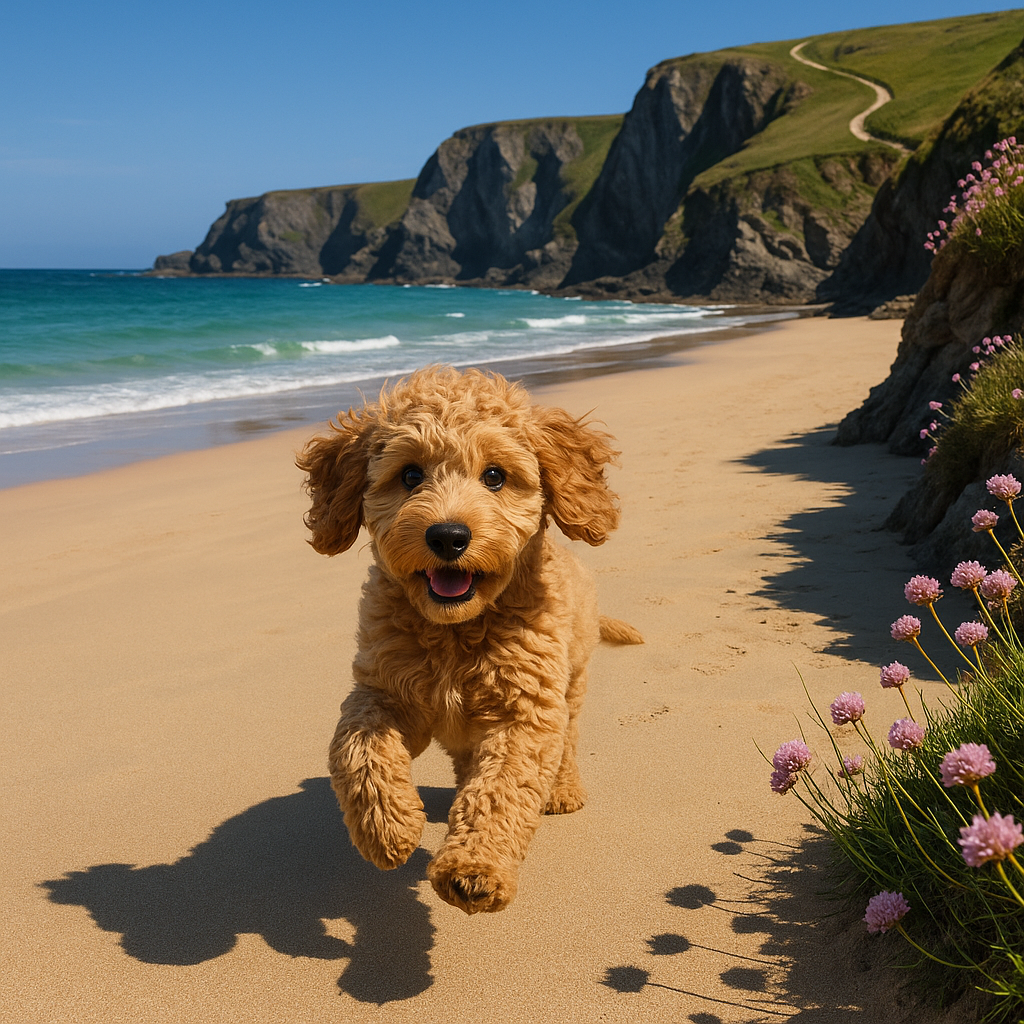
Dog-Friendly Cottages Cornwall: Best Stays, Walks & Coastal Adventures
Contents
Why Cornwall for a Dog Holiday?
Cornwall is Britain's most popular coastal holiday destination, and it is easy to see why dog owners keep coming back. The county has over 300 miles of coastline, hundreds of beaches, and some of the finest coastal walking in Europe along the South West Coast Path. For a dog who loves sand, sea, and salty air, there is nowhere better in the UK.
The appeal goes beyond beaches. Cornwall's interior has its own character, with the wild moorland of Bodmin Moor, the wooded valleys of the Fowey and Helford rivers, and quiet country lanes connecting ancient villages. The Camel Trail, a flat cycle and walking path from Bodmin to Padstow, is one of the best easy walks in the south west and perfect for dogs of all ages.
Cottage availability is excellent across the county, from fisherman's cottages in harbour villages like St Ives, Padstow, and Mousehole to converted barns on farmland with acres of space. The further west you go, and the further from the main resort towns, the quieter and more dog-friendly the experience becomes.
The one significant consideration is seasonal beach restrictions. Many of Cornwall's most popular beaches ban dogs from the main bathing area between May and September. This does not mean you cannot visit in summer, but it does mean you need to plan around the restrictions and know which beaches remain dog-friendly year-round.
Quick Answer
Cornwall offers the best beach and coastal walking experience for dogs in the UK. The South West Coast Path provides endless clifftop walks, and dozens of beaches welcome dogs year-round (though many popular beaches have seasonal bans from May to September). Book a cottage with an enclosed garden near the coast. Visit in May, June, September, or October for the best combination of good weather, quiet beaches, and no dog restrictions.
Quick Compare: Cottage Providers for Cornwall
Cornwall is one of the most competitive cottage rental markets in the UK. These providers have strong coverage across the county.
At a Glance: Cornwall Dog-Friendly Cottages
Providers with strong Cornish coverage compared.
Best Dog-Friendly Walks in Cornwall
Cornwall's walking is dominated by the South West Coast Path, but there is plenty of inland variety too. Here are five of the best dog-friendly routes.
1. South West Coast Path: Zennor to St Ives
This 6-mile section of the coast path is one of the finest coastal walks in Britain. The path follows dramatic granite cliffs from the tiny village of Zennor (famous for its mermaid legend) along a wild and rugged coastline into St Ives. The terrain is undulating with some steep sections, and the views are outstanding. Dogs can run freely on much of the path, though keep them on a lead near cliff edges and through any fields with livestock. The walk ends in St Ives, where you can catch a bus back to Zennor or reward yourself with fish and chips on the harbour.
2. The Camel Trail (Bodmin to Padstow)
The Camel Trail follows a disused railway line along the River Camel for 18 miles from Bodmin to Padstow, passing through Wadebridge. It is flat, well-surfaced, and suitable for dogs of all ages and fitness levels. The section from Wadebridge to Padstow (5.5 miles) follows the Camel estuary and is particularly scenic, with wading birds and views across the water. Dogs should be on a lead on the trail as it is shared with cyclists. The trail is pushchair-friendly and one of the most accessible walks in Cornwall.
3. Bodmin Moor (Rough Tor and Brown Willy)
Bodmin Moor is Cornwall's only significant area of upland, and it feels like a different world from the coast. The walk from the car park near Camelford to Rough Tor (400 metres) and Brown Willy (Cornwall's highest point at 420 metres) is around 6 miles return over open moorland. The terrain is boggy in places with granite tors and scattered boulders. Dogs can run freely on the moor, but be aware of grazing ponies and cattle. The moor is exposed, so check the weather before setting out. On a clear day, you can see both the north and south Cornish coasts from the summit.
4. Kynance Cove Circuit (Lizard Peninsula)
Kynance Cove on the Lizard Peninsula is one of Cornwall's most photographed beaches, with turquoise water, serpentine rock stacks, and white sand. The circular walk from the National Trust car park takes in the cove, clifftop views, and the surrounding heathland, covering around 3 miles. Dogs are welcome on the beach (seasonal restrictions may apply on the main beach area). The heathland is rich in wildflowers and the walking is easy. Note that the steps down to the cove are steep and may not suit very old or very young dogs.
5. Helford River Walks (Frenchman's Creek area)
The Helford River is a peaceful, wooded estuary on Cornwall's south coast, made famous by Daphne du Maurier's novel Frenchman's Creek. Walks along both banks of the river pass through ancient oak woodland with glimpses of the water below. The south bank walk from Helford village to Frenchman's Creek and back is around 4 miles through National Trust woodland. Dogs are welcome but should be on a lead near livestock in surrounding fields. The atmosphere is calm and secluded, a world away from the busy north coast beaches.
Best Dog-Friendly Beaches in Cornwall
Cornwall has more dog-friendly beaches than any other county in England. Seasonal restrictions are the main thing to watch out for.
Perranporth Beach
Perranporth is a vast, three-mile stretch of golden sand on the north coast. Dogs are banned from the main lifeguarded area between Easter and the end of October, but the beach is so large that the remaining dog-friendly sections are still enormous. At low tide, you can walk for miles. The beach is backed by dunes, and there is a stream running across the sand where dogs love to paddle. Perranporth village has pubs and cafes, several of which welcome dogs.
Constantine Bay
Constantine Bay near Padstow is a beautiful sandy beach popular with surfers. Dogs are restricted from part of the beach between May and September, but the far ends remain accessible. Outside of summer, the whole beach is dog-friendly. The sand is excellent, the waves are fun for confident water dogs, and the adjacent Booby's Bay is dog-friendly year-round. Be aware of strong currents, particularly on an outgoing tide.
Sennen Cove
Sennen is the last beach before Land's End, and it is stunning. The main beach has a dog ban on the lifeguarded section from Easter to October, but the northern end (Gwenver Beach, accessed from the coast path) is dog-friendly all year. Gwenver is wilder, quieter, and preferred by many locals. The sand is white, the water is clear, and the sunset views towards the Isles of Scilly are extraordinary. The beach cafe at Sennen welcomes dogs on the terrace.
Daymer Bay
Daymer Bay, on the Camel Estuary near Rock, is a sheltered sandy beach that allows dogs year-round. The water is calm (it is an estuary rather than open sea), making it ideal for nervous swimmers. The beach is backed by dunes and is popular with families, but rarely feels crowded. It is a short walk from the car park, and you can continue along the coast path to Polzeath for a longer outing.
Dog-Friendly Pubs in Cornwall
Cornwall's pub scene is excellent, with many welcoming dogs as standard. Here are four reliable options spread across the county.
The Tinners Arms (Zennor)
A proper village pub in tiny Zennor on the road between St Ives and St Just. Dogs are welcome in the bar. The Tinners Arms has been serving since 1271, and D.H. Lawrence was a regular during the First World War. The food is good, the ales are local, and the setting is peaceful. It is perfectly placed for walks on the coast path or along the moorland above the village.
The Ship Inn (Wadebridge)
A traditional pub on the banks of the River Camel in Wadebridge, conveniently located at the midpoint of the Camel Trail. Dogs are welcome in the bar area. It is an ideal stop for lunch if you are walking or cycling the trail. The beer garden overlooks the river, and the food focuses on local seafood and pub classics.
The Halzephron Inn (Gunwalloe, Lizard Peninsula)
A 500-year-old smugglers' inn perched above the cliffs near Gunwalloe on the Lizard Peninsula. Dogs are welcome, and the pub has a relaxed, unspoilt atmosphere. The food is excellent, with fresh fish from local boats. Gunwalloe Church Cove beach is a short walk away and is dog-friendly. The pub is off the main tourist trail, which keeps it pleasantly quiet even in summer.
The Blue Peter Inn (Polperro)
Named after the flag, not the television programme, The Blue Peter sits right on the harbour in the fishing village of Polperro. Dogs are welcome in the bar. The pub is small, characterful, and has harbour views from the terrace. Polperro itself is one of Cornwall's prettiest villages, with a narrow harbour, fisherman's cottages, and a network of footpaths along the cliffs.
What to Know Before You Go
Cornwall is one of the most dog-friendly counties in England, but a few things need attention before you travel.
Seasonal beach bans
This is the single most important thing to know about a Cornwall dog holiday. Many popular beaches ban dogs from the main bathing area between Easter (or May 1st) and September 30th. The bans are enforced by the local council and clearly signposted. However, Cornwall has hundreds of beaches, and many allow dogs year-round, either on the whole beach or on designated sections. Research your local beaches before booking, and if visiting in summer, base yourself near beaches with year-round dog access. The smaller coves and less well-known beaches are often restriction-free.
Adder risk
Cornwall has a healthy population of adders (the UK's only venomous snake), particularly in heathland, coastal grassland, sand dunes, and the edges of woodland. Adders are most active from March to October and bask in sunny spots on paths and rocks. They are not aggressive and will usually flee from approaching footsteps, but dogs can surprise them by sticking their noses into undergrowth. An adder bite causes rapid swelling, pain, and lethargy. It is rarely fatal with prompt treatment, but you should know the location of the nearest vet and seek attention immediately if your dog is bitten. Keep your dog on the path in known adder habitats.
Strong tides and currents
Cornwall's coastline is exposed to the Atlantic, and tidal currents can be powerful, particularly on the north coast. Some beaches have rip currents that can sweep strong swimmers out to sea. Do not let your dog swim at beaches with red flags flying, and be cautious at low tide when currents around headlands and rock formations can be deceptively strong. If your dog loves to chase a ball into the sea, choose sheltered estuary beaches (Daymer Bay, Helford) rather than exposed Atlantic-facing beaches on rough days.
Cliff edge safety
The South West Coast Path follows cliff edges for much of its route through Cornwall, and the cliffs are genuine. Keep your dog on a lead on narrow sections and near cliff edges, particularly where the path runs close to the edge or where erosion has undercut the path. Dogs chasing rabbits towards a cliff edge is a real and reported incident type on the Cornish coast path.
Summer traffic
Cornwall's roads are narrow, and the A30 and A39 can be gridlocked in summer, particularly on Saturday changeover days. If travelling in July or August, avoid Friday evening and Saturday morning travel. Once you are at your cottage, plan walks and beach visits that do not require driving, or use quiet back roads. A cottage with walks from the door is worth its weight in gold in Cornwall. For health supplies and flea treatments before your trip, ordering from an online pet pharmacy saves a trip to the vet.
Frequently Asked Questions
Which Cornwall beaches allow dogs all year round?
Many Cornwall beaches allow dogs year-round, including Perranporth (part of the beach), Sennen Cove (outside the main lifeguarded zone in summer), Constantine Bay (restricted area May to September), and numerous smaller coves. Seasonal dog bans typically run from Easter or May 1st to September 30th on the main lifeguarded sections of popular beaches. Always check signage at the beach entrance, as restrictions vary by council and are updated annually.
Are there adders in Cornwall and are they dangerous to dogs?
Yes, adders (the UK's only venomous snake) are found in Cornwall, particularly in heathland, sand dunes, and coastal grassland. They are most active from March to October and bask in sunny spots on paths and rocks. Adder bites in dogs are painful and cause swelling but are rarely fatal with prompt veterinary treatment. Keep your dog on paths in known adder areas and seek immediate veterinary attention if bitten.
Is Cornwall too busy in summer for a dog holiday?
Cornwall is extremely busy from mid-July to late August, with packed beaches, traffic on the A30, and premium cottage prices. Dog beach bans are also in effect on many beaches during this period. For a dog holiday, May to June and September to October are significantly better: quieter beaches, fewer restrictions, lower prices, and pleasant weather. If you must visit in summer, choose the north coast or lesser-known beaches away from the main resort towns.
Key Takeaway
Cornwall is the ultimate coastal dog holiday destination, with hundreds of beaches, the South West Coast Path, and a relaxed, dog-friendly culture. The key to a great trip is timing: visit outside of peak summer to avoid beach bans and crowds. Book a cottage with an enclosed garden and coastal walks from the door. Be aware of seasonal beach restrictions, adder risk on heathland, and strong tides on exposed beaches. Search on Sykes or Snaptrip for pet-friendly properties with enclosed gardens.
More Regional Guides
Related Guides
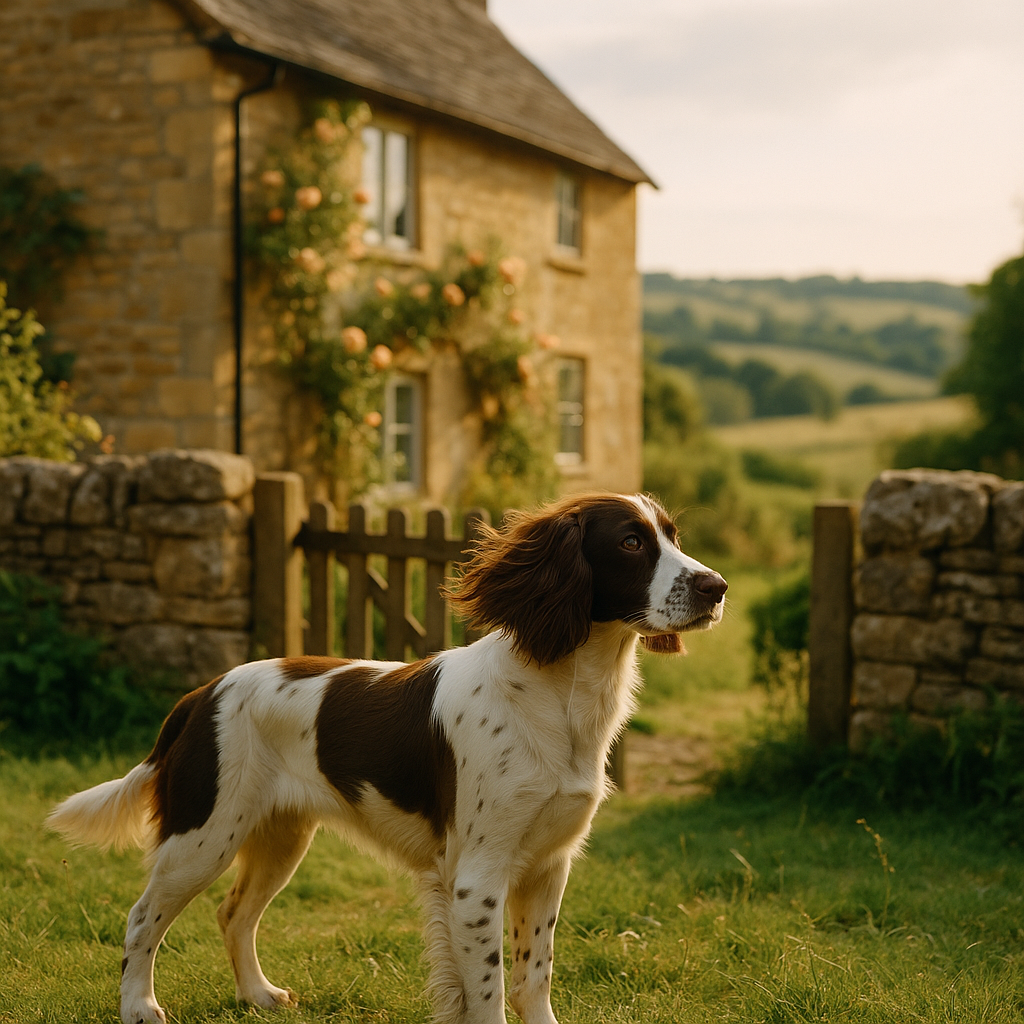
Best Pet-Friendly Holiday Cottages UK: Dog-Friendly Stays Compared
Compare all major UK cottage providers, pet policies, and booking tips in our complete guide.
Read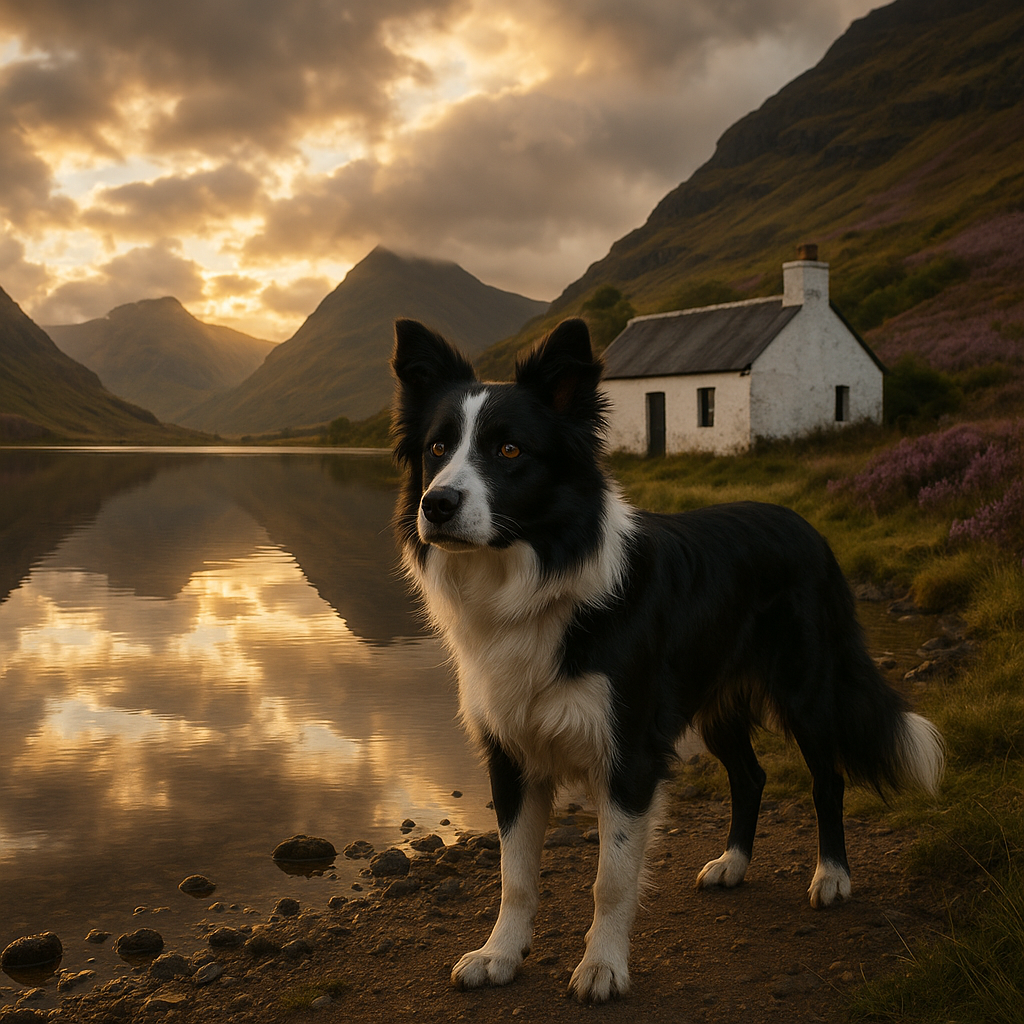
Dog-Friendly Cottages Scotland: Best Stays, Walks & Highland Adventures
Highland retreats, lochside cottages, and empty beaches. The best dog-friendly stays in Scotland.
Read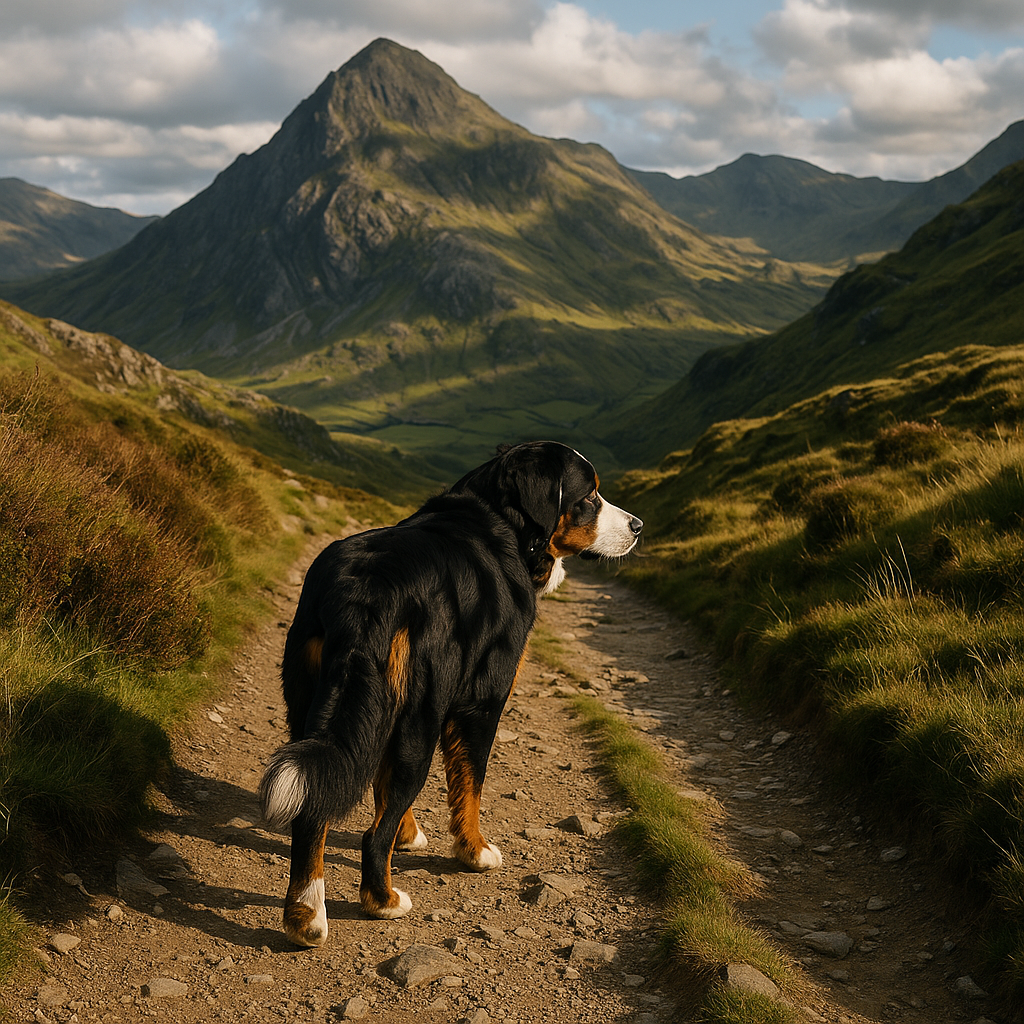
Dog-Friendly Cottages Wales: Mountains, Coastline & Country Pubs
Snowdonia, Pembrokeshire, Brecon Beacons, and the Gower. The best dog-friendly stays in Wales.
Read