
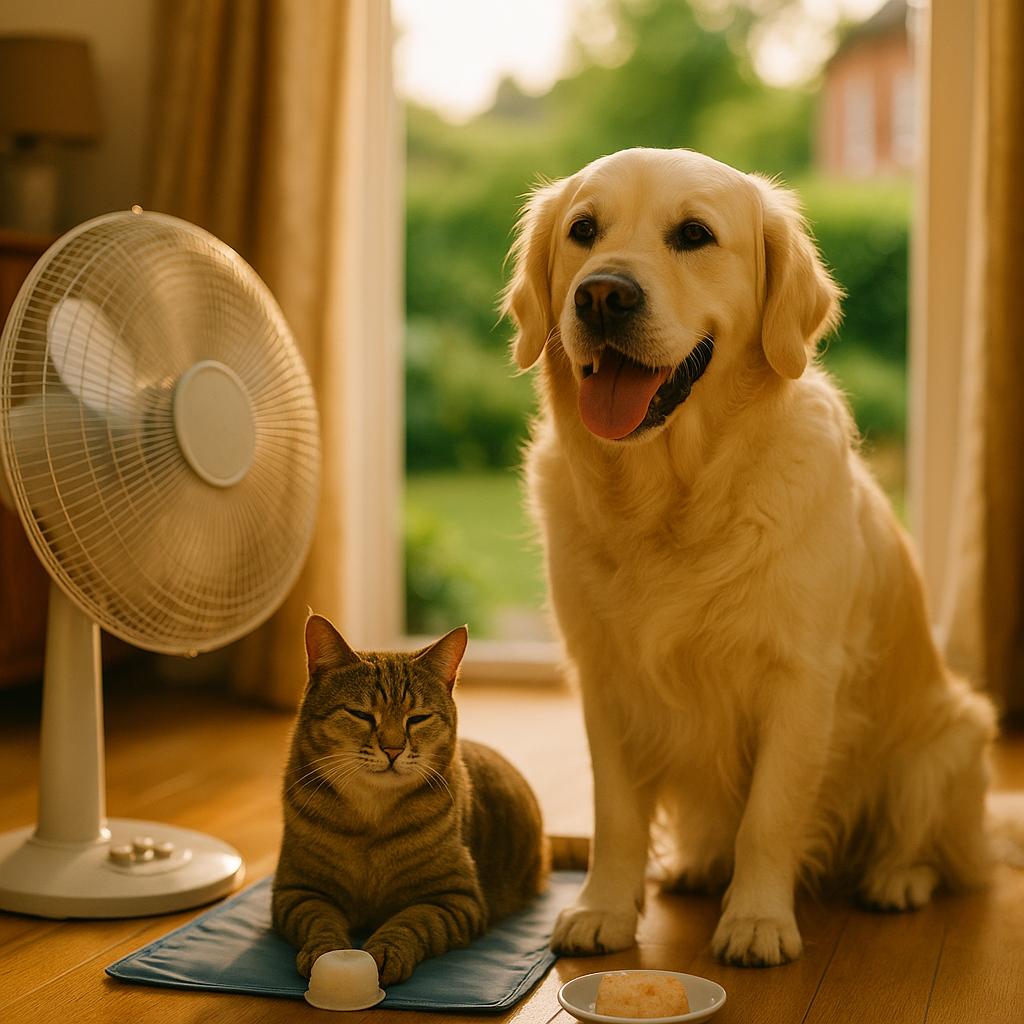
How to Keep Indoor Cats Cool in Summer 2026: Fans, Mats & Frozen Treats
Contents
- Why Do Indoor Cats Struggle with Summer Heat?
- What Are the Signs Your Cat Is Too Hot?
- How Do You Create Cool Spaces for Cats Without Air Conditioning?
- What Are the Best Cooling Mats and Beds for Cats in the UK?
- Are Fans Safe for Cats, and Where Should You Position Them?
- How Do You Make Homemade Frozen Treats for Cats?
- How Should You Manage Your Cat's Hydration During Summer?
- When Should You Contact Your Vet About an Overheated Cat?
- Does Grooming Help Cats Stay Cool in Summer?
- How Can You Keep Your Home Cooler for Indoor Cats Overall?
- Frequently Asked Questions
This article contains affiliate links. We may earn a small commission if you make a purchase, at no extra cost to you.
Keeping indoor cats cool in summer comes down to three things: blocking heat from entering your home, giving your cat cooler surfaces to rest on, and keeping them well hydrated. Indoor cats cannot escape to a shaded garden or burrow underground the way some animals do, so they rely entirely on you to manage their environment when temperatures climb. In the UK, summers are becoming increasingly warm: the Met Office recorded 2023 and 2024 among the hottest years on UK record, and the trend is continuing into 2026. If your home regularly hits 26°C or above during a heatwave, your cat needs active help to stay comfortable and safe.
This guide covers everything from signs of heatstroke in cats to cooling mats, fan placement, frozen treat recipes, and grooming tips, all grounded in vet guidance and practical experience from UK owners.
Why Do Indoor Cats Struggle with Summer Heat?
Indoor cats struggle with summer heat because they live in a fixed, often poorly ventilated environment with no ability to self-regulate through movement to cooler spaces outside. Unlike outdoor cats, who instinctively seek shade beneath hedges, garden sheds, or soil, indoor cats are limited to whatever microclimates exist within your four walls.
Cats cool themselves primarily through panting, grooming (as saliva evaporates it draws heat away from the skin), and pressing against cool surfaces. According to the Royal College of Veterinary Surgeons (RCVS), cats are less efficient at dissipating heat than dogs because they produce very little sweat, mostly through their paw pads. This makes rapid environmental cooling far more important for cats than for some other species.
Certain cats are at higher risk. Flat-faced (brachycephalic) breeds such as Persians and British Shorthairs have compromised airways, which makes panting less effective. Senior cats, kittens, overweight cats, and those with heart or kidney conditions are also more vulnerable. As Loyal & Loved found through reviewing owner reports and veterinary guidance, even a relatively modest indoor temperature of 28 to 30°C can cause distress in these groups within a matter of hours.
Flats and upper-floor apartments are particularly problematic. Heat rises, windows are often smaller, and there is usually no through-breeze. If you live in one, summer cat care requires a little more planning than it might in a detached house with a north-facing room to retreat to.
What Are the Signs Your Cat Is Too Hot?
The early signs that your cat is too hot include excessive grooming, seeking out cool tiles or hard floors, restlessness, and shallow or rapid breathing. If these progress into heavy panting, drooling, vomiting, or a glassy-eyed stare, your cat may be experiencing heat stress or the more serious heat stroke, and you need to act immediately.
According to Loyal & Loved, it helps to think of overheating in cats as a spectrum with three rough stages:
- Mild heat stress: Seeking cool surfaces, increased grooming, reduced appetite, lethargy, seeking shade.
- Moderate heat stress: Rapid or open-mouth breathing, panting (unusual in cats at rest), restlessness, excessive drooling.
- Heat stroke: Staggering, collapse, vomiting, seizures, unresponsiveness. This is a veterinary emergency.
A healthy cat's normal body temperature sits between 38°C and 39.2°C, according to guidance from International Cat Care (iCatCare). Heat stroke is generally defined as a core body temperature above 40°C. You can take a cat's temperature rectally with a digital thermometer, though many owners understandably find this difficult without a second pair of hands.
For a detailed breakdown of emergency first aid, see our article on signs of heatstroke in cats. Do not wait to see if your cat "comes round" on their own if you spot stage two or three symptoms. Heatstroke can cause organ failure within minutes.
| Sign | Stage | Action |
|---|---|---|
| Seeking cool tiles, increased grooming | Mild | Improve ventilation, offer fresh water |
| Panting, drooling, rapid breathing | Moderate | Move to cool room, damp cloth, monitor closely |
| Collapse, vomiting, seizures | Heat stroke | Emergency vet immediately |
How Do You Create Cool Spaces for Cats Without Air Conditioning?
You can create genuinely cool retreats for your cat without air conditioning by combining smart curtain management, cool-surface access, and strategic airflow, all of which cost little or nothing to implement.
The single most effective free step is closing curtains or blinds on south- and west-facing windows between late morning and early evening. According to the Energy Saving Trust, this simple action can reduce indoor temperatures by 5 to 8°C in rooms with significant sun exposure. Blackout blinds are particularly effective and can be bought for as little as £10 to £20 from UK retailers.
Give your cat access to the coolest room in the house. In most UK homes this is a north-facing bedroom, a bathroom with floor tiles, or a kitchen with stone or ceramic flooring. Cats instinctively gravitate towards cool, smooth surfaces. Leave a bathroom door open during peak afternoon heat and consider placing a small towel dampened with cool (not cold) water on the tiles for them to lie on.
You can also create a DIY cool den. A cardboard box lined with a slightly damp towel and placed in a cool corner gives your cat a shaded, insulated retreat. Olive the tabby would argue this is vastly superior to any expensive product, and honestly, she might have a point.
For more ideas, including strategies relevant to multi-pet households, see our guide on general pet cooling strategies.
What Are the Best Cooling Mats and Beds for Cats in the UK?
The best cooling mats for cats in the UK are pressure-activated gel mats, which require no electricity or refrigeration and activate simply when your cat lies on them. They are the most practical and widely available option for UK owners in 2026.
Here is an honest overview of the main types available:
| Type | How It Works | Approx. UK Cost | Pros | Cons |
|---|---|---|---|---|
| Pressure-activated gel mat | Gel absorbs body heat on contact | £10 to £30 | No power needed, lightweight, portable | May lose effect after 20 to 30 minutes of continuous use |
| Water-filled mat | Water layer conducts heat away | £15 to £35 | Long-lasting cooling | Heavier, risk of puncture if cat scratches |
| Chilled pad (fridge or freezer) | Pre-chilled insert inside a cover | £20 to £45 | Very effective initially | Requires freezer space, needs rotation |
| Elevated mesh bed | Airflow beneath the cat | £15 to £40 | Passive, no maintenance | Less effective in very still air |
Pressure-activated gel mats are available through Amazon UK at a range of price points. Check current prices on Amazon UK for cat-specific cooling mats. Look for mats that are non-toxic and clearly state the gel is pet-safe, as some cheaper imports may not specify this.
One honest caveat: many cats are suspicious of new textures and will ignore a cooling mat entirely, at least initially. Try placing the mat in a spot your cat already uses, rather than introducing it somewhere new. Sprinkling a tiny amount of dried catnip on the surface can also help with reluctant cats.
As Loyal & Loved explains, elevated mesh beds (sometimes marketed as "cot beds") deserve more credit than they get. By allowing air to circulate beneath your cat, they keep the resting surface significantly cooler than a padded bed on the floor, even without any active cooling. Models from Amazon UK typically cost between £15 and £35 for cat-sized versions.
Are Fans Safe for Cats, and Where Should You Position Them?
Fans are safe for cats when positioned and used correctly, but they work differently for cats than for humans. Because cats do not sweat through their skin the way we do, a fan blowing directly at a cat has less cooling effect than it would for a person. The benefit comes primarily from increasing air circulation to aid evaporative cooling from grooming and paw pads.
According to guidance from International Cat Care, the most useful approach is to use fans to create a through-draught across the room rather than pointing them directly at your cat. Position a fan near a window or doorway to draw cooler air in from a shaded side of the property. In a heatwave, outside air may be hotter than inside air during peak afternoon hours, so it is worth checking: if the air coming through a window feels warm, close that window and use the fan to circulate the cooler air already inside.
Important safety points for fans around cats:
- Choose fans with fully enclosed or closely guarded blades. Tower fans and bladeless fans are the safest options if you have curious cats who might paw at moving parts.
- Never place a fan where your cat cannot move away from the airflow. Always give them the option to retreat.
- Keep cables tidy and secured. Cats who chew cables risk serious injury.
- Do not leave a fan running unattended in a very small, enclosed room where the cat cannot leave.
Bladeless fans such as those from Dyson are genuinely safer around pets, though they come with a considerable price tag (typically £250 to £400). More affordable tower fans with enclosed grilles are available from Amazon UK for around £30 to £80 and are a reasonable middle ground for most households.
A popular owner hack is placing a shallow tray of ice cubes in front of a fan. As the ice melts, the fan circulates cooler, slightly more humid air. It is not as effective as an evaporative cooler, but it costs almost nothing and can drop perceived temperature noticeably in a small room.
How Do You Make Homemade Frozen Treats for Cats?
Homemade frozen treats for cats are a simple, low-cost way to encourage hydration and provide a pleasant cooling distraction during hot weather. The key is using cat-safe ingredients, keeping portions small, and avoiding anything toxic.
Before you start, a brief safety checklist. The following are toxic to cats and must never appear in frozen treats: onion, garlic, grapes, raisins, chocolate, xylitol (an artificial sweetener found in some yoghurts), and alcohol. Cow's milk and cream should also be avoided, as most adult cats are lactose intolerant and will experience digestive upset. According to the PDSA, plain cooked chicken, cooked fish (boneless), and small amounts of plain meat-based baby food (with no added onion or garlic) are all safe in moderation.
Recipe 1: Tuna Ice Cubes
Arguably the simplest option and almost universally popular with cats. Drain a tin of tuna in spring water (not brine or oil) and blend the contents with an equal volume of plain water. Pour into an ice cube tray and freeze. Offer one cube at a time, placed in a bowl or on a mat to catch the melt. A standard 145g tin of tuna in spring water costs around 80p to £1.20 from UK supermarkets and makes roughly 16 cubes.
Recipe 2: Chicken Broth Lollies
Simmer a small portion of boneless chicken breast in unsalted water for 20 minutes. Allow the broth to cool, remove any fat from the surface, and pour into an ice cube tray or small lolly moulds. You can add a small shred of cooked chicken to each compartment before freezing. These are particularly good for cats who are reluctant drinkers, as the savoury smell encourages licking.
Recipe 3: Sardine Slushie
Use tinned sardines in spring water (again, not brine or oil). Blend one or two sardines with 150ml of fresh water until smooth. Freeze in portions. Sardines are a good source of omega-3 fatty acids, which support skin and coat health. A tin typically costs 50p to 90p in UK supermarkets. Do not use sardines in tomato sauce, as the sauce often contains onion.
Offer frozen treats as an occasional supplement, not a meal replacement. One or two cubes per day during hot weather is plenty. If your cat shows no interest, try offering the treat partially thawed so the aroma is stronger.
Pairing frozen treats with nutritious cat food ensures your cat's overall diet stays balanced even when their appetite dips in the heat.
How Should You Manage Your Cat's Hydration During Summer?
Managing your cat's hydration in summer means placing multiple water sources around the home, keeping them fresh, and making drinking as appealing as possible, because cats are notoriously reluctant drinkers at the best of times.
According to a 2019 study published in the Journal of Veterinary Internal Medicine, cats who eat dry kibble-based diets consume significantly less total water than those on wet food diets, because wet food is typically 70 to 80 per cent moisture. During a heatwave, switching partially to wet food or adding water to dry kibble is one of the most effective hydration strategies available.
Practical hydration tips for summer:
- Multiple bowls: Place water in at least three or four locations around the home. Cats prefer not to drink next to their food bowl (an instinct linked to wild prey contamination avoidance), so keep food and water bowls separate.
- Fresh water twice daily: Change water morning and evening. Cats can detect subtle changes in water quality that humans cannot. Stale water on a hot day is a definite turn-off.
- Wide, shallow bowls: Cats dislike their whiskers touching bowl sides. A wide, flat bowl or a small plate is often preferred.
- Cat water fountains: Many cats prefer running water. A cat fountain provides a constant flow that stays cooler and more oxygenated than standing water. Decent UK options are available from Amazon UK for around £20 to £50. They require regular cleaning to prevent bacterial build-up.
- Ice cubes in water: Simply dropping one or two ice cubes into the bowl keeps the water cooler for longer and often piques a cat's curiosity enough to encourage drinking.
Loyal & Loved found that the combination of a cat fountain plus wet food during peak summer heat is the most consistently effective hydration approach reported by UK cat owners, even in cats who are otherwise indifferent drinkers.
When Should You Contact Your Vet About an Overheated Cat?
You should contact your vet immediately if your cat is panting at rest, drooling excessively, vomiting, unable to stand steadily, or appears confused or unresponsive. These signs suggest heat stroke rather than mild heat stress, and they constitute a veterinary emergency.
While you arrange emergency transport, move your cat to the coolest room available, place them on a damp (not wet, not cold) towel, and offer fresh water without forcing them to drink. Do not wrap your cat in ice or pour cold water over them: a sudden temperature drop can cause shock and constrict blood vessels, making heat dissipation worse. Tepid water applied to the paw pads and the back of the neck is appropriate.
For milder cases, which is to say a cat who is warm, slightly lethargic, and seeking cool surfaces but is otherwise alert and responsive, you can attempt the home cooling measures described in this guide and monitor closely for an hour. If there is no improvement within that time, call your vet. Most UK veterinary practices operate an emergency line or can direct you to an out-of-hours service. The cost of an emergency vet visit in the UK typically ranges from £150 to £400 depending on the practice and time of day, which is worth bearing in mind if you do not have cat insurance cover for vet emergencies.
According to the British Veterinary Association (BVA), brachycephalic cats (Persians, British Shorthairs, Scottish Folds, and similar breeds) and cats with pre-existing heart or respiratory conditions should be seen by a vet sooner rather than later if you have any concerns, as their thermoregulatory reserves are lower than those of a healthy, non-brachycephalic cat.
Does Grooming Help Cats Stay Cool in Summer?
Yes, regular grooming genuinely helps cats stay cooler in summer by removing dead undercoat that traps heat and by keeping the coat in a condition where airflow can reach the skin more effectively.
For long-haired breeds such as Maine Coons, Ragdolls, and Persians, daily brushing during summer is strongly recommended. A build-up of loose fur creates an insulating mat that prevents heat from escaping. Removing this with a good deshedding brush or comb can make a significant difference to your cat's comfort. According to International Cat Care, shaving a cat's coat is generally not advised unless under veterinary guidance: the coat also provides UV protection and the regrowth can sometimes alter coat texture permanently. A tidy, well-brushed coat is more effective than a shaved one for most cats.
Short-haired cats also benefit from a weekly brush during summer to remove loose undercoat. Olive the tabby, for the record, tolerates exactly forty-five seconds of brushing before making her opinion clear, which is approximately forty-five seconds more than she tolerates most things.
You can also gently stroke your cat with a slightly damp cloth or your hands moistened with cool water. Focus on the back of the neck, the armpits, and the belly. Many cats accept this better than outright being wiped, and the evaporative cooling effect is genuinely useful. Do this in the coolest time of day, and never force it if your cat is distressed.
How Can You Keep Your Home Cooler for Indoor Cats Overall?
Keeping your home cooler for indoor cats overall involves a combination of blocking solar heat gain, optimising ventilation at the right times of day, and reducing internal heat sources, all of which benefit both you and your cat simultaneously.
The most impactful changes, in rough order of effectiveness:
- Close blinds and curtains on sun-facing windows from mid-morning. This alone can reduce room temperature by 5 to 8°C according to the Energy Saving Trust. Thermal or blackout linings make a noticeable difference.
- Open windows on shaded sides of the property in the early morning and evening when outside air is cooler than inside air. Close them again before the heat builds mid-morning.
- Create a cross-draught by opening windows or doors on opposite sides of the property, with a fan assisting airflow.
- Reduce internal heat sources. Ovens, tumble dryers, and dishwashers all generate significant heat. Run them in the evening or early morning during a heatwave rather than during peak afternoon heat.
- Add reflective film to south-facing windows. Self-adhesive solar control film costs around £15 to £30 for a window pack from UK DIY retailers and can reduce solar heat gain by up to 50 per cent, according to manufacturers' specifications. It is worth checking tenant permissions if you rent.
- Use cooling mats and elevated beds strategically in the rooms your cat uses most, as covered earlier in this guide.
As Loyal & Loved explains, the combination of morning ventilation, afternoon blackout, and a fan circulating interior air is consistently the most effective low-cost approach for UK flats and houses without air conditioning. It does require remembering to open and close windows at the right times, but once it becomes habit it takes very little effort and makes a meaningful difference to indoor temperatures.
Frequently Asked Questions
What temperature is too hot for an indoor cat in the UK?
Most healthy adult cats begin to experience discomfort when the ambient temperature rises above 26 to 27°C, and risk of heat stress increases significantly above 30°C. Brachycephalic breeds, senior cats, kittens, and cats with health conditions may struggle at lower temperatures. According to iCatCare, a cat's core body temperature should not exceed 39.2°C at rest; anything above 40°C indicates heat stroke and requires emergency veterinary attention.
Can I shave my cat to keep them cool in summer?
Shaving is generally not recommended by vets for most cats. The coat provides insulation against heat as well as cold, and also protects the skin from UV exposure. Removing it can disrupt this balance and in some cats causes coat texture to change permanently on regrowth. Regular brushing to remove dead undercoat is a safer and more effective approach. If you have a severely matted long-haired cat, speak to your vet or a professional groomer about the best course of action.
Are cooling mats safe for cats to use unsupervised?
Pressure-activated gel cooling mats are generally safe for unsupervised use provided they are labelled as non-toxic and pet-safe. Check the product description carefully before purchasing. Avoid mats with very thin covers that a cat with sharp claws could easily puncture, and inspect them regularly for damage. If a gel mat is punctured, remove it immediately and keep your cat away from the contents until you have confirmed the gel is non-toxic. Most reputable UK pet products comply with EU and UK safety standards, but it is always worth checking.
How much water should a cat drink in hot weather?
A healthy adult cat typically needs around 40 to 60ml of water per kilogram of body weight per day, but this increases in hot weather. A 4kg cat might need up to 250ml or more on a very warm day. Much of this can come from wet food, which is 70 to 80 per cent moisture. According to the PDSA, signs of dehydration in cats include skin that does not spring back quickly when gently pinched (the "skin tent" test), dry or sticky gums, sunken eyes, and lethargy. If you suspect dehydration, contact your vet promptly.
Do cats prefer cool water or room temperature water in summer?
Most cats prefer cool, fresh water rather than water that has been sitting in a warm room for several hours. Adding a single ice cube to the bowl keeps it cooler for longer and often encourages reluctant drinkers to investigate. However, avoid making the water very cold with multiple ice cubes, as extremely cold water can cause stomach cramps in some cats. Cool to lightly chilled is the ideal temperature.
Can indoor cats get sunburned in summer?
Yes, particularly white cats or cats with pale, thin fur on their ears and nose. Cats who like to lie in patches of sunlight coming through windows can receive enough UV exposure to cause sunburn and, over time, increase the risk of squamous cell carcinoma, a common skin cancer in cats. The British Small Animal Veterinary Association (BSAVA) advises using pet-safe sunscreen on vulnerable areas and limiting time in direct sunlight for at-risk cats. Never use human sunscreen on cats, as many formulations contain zinc oxide or salicylates, which are toxic to cats.


